How to Request an Academic Recommendation Letter

An academic recommendation letter can play an important role in your application for university admission, scholarships, internships, research opportunities, and graduate programs. It gives an admissions committee a perspective on your abilities that grades and test scores alone may not fully show. A thoughtful recommendation can highlight your academic strengths, work ethic, intellectual curiosity, and potential for future success. However,… Continue reading How to Request an Academic Recommendation Letter

How to Build a Strong Portfolio for University Applications

Applying to university is an important step toward your academic and professional future. While grades, recommendation letters, and personal statements are important parts of many applications, some universities also ask students to submit a portfolio. A well-prepared student portfolio for university applications can help admissions teams understand your skills, interests, creativity, and potential beyond your academic results. A portfolio is more… Continue reading How to Build a Strong Portfolio for University Applications

Laboratory Safety Rules Every Student Should Know

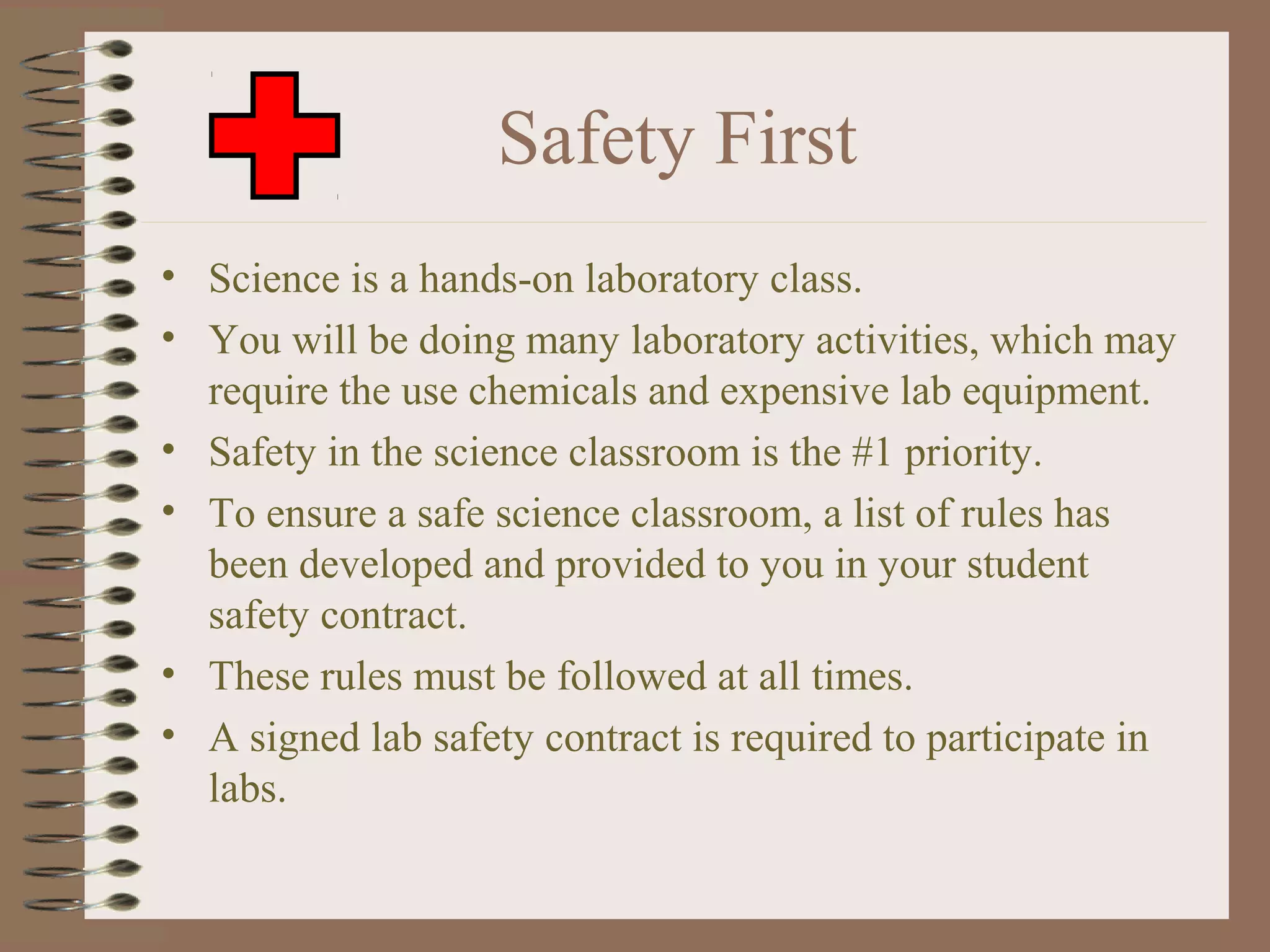
Laboratory classes give students the opportunity to explore scientific concepts through experiments, observations, and hands-on activities. Whether you are working in a chemistry, biology, physics, or school science laboratory, practical work can help you understand how scientific principles operate in real situations. However, laboratories also contain potential hazards, including chemicals, heat, glassware, electrical equipment, biological materials, and specialized instruments. Learning… Continue reading Laboratory Safety Rules Every Student Should Know

How to Develop Statistical Thinking for Academic Studies

Statistical thinking is an essential skill for students who want to understand research, interpret data, and make evidence-based decisions. Whether you are studying biology, psychology, economics, business, education, or the social sciences, you will often encounter averages, percentages, graphs, surveys, and research findings. Knowing how to calculate these values is useful, but understanding what they actually mean is even more… Continue reading How to Develop Statistical Thinking for Academic Studies

Scientific Method for Students: Steps and Examples

The scientific method is a systematic way to investigate questions, test possible explanations, and use evidence to understand how the world works. Students use it in science classes, laboratory experiments, research projects, and everyday problem-solving. Whether you are studying biology, chemistry, physics, or environmental science, understanding the scientific method can help you think critically and reach evidence-based conclusions. Learning the… Continue reading Scientific Method for Students: Steps and Examples

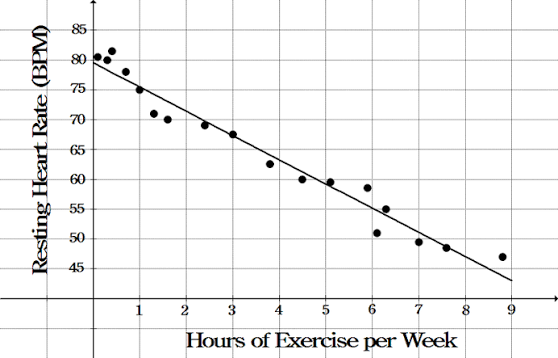
How to Interpret Charts, Graphs, and Tables in Textbooks

Charts, graphs, and tables are common features of textbooks, lecture notes, research papers, and study guides. They help explain complicated ideas, summarize large amounts of information, and show relationships that may be difficult to understand through text alone. However, simply looking at a visual representation of data is not the same as understanding what it means. Learning how to interpret… Continue reading How to Interpret Charts, Graphs, and Tables in Textbooks

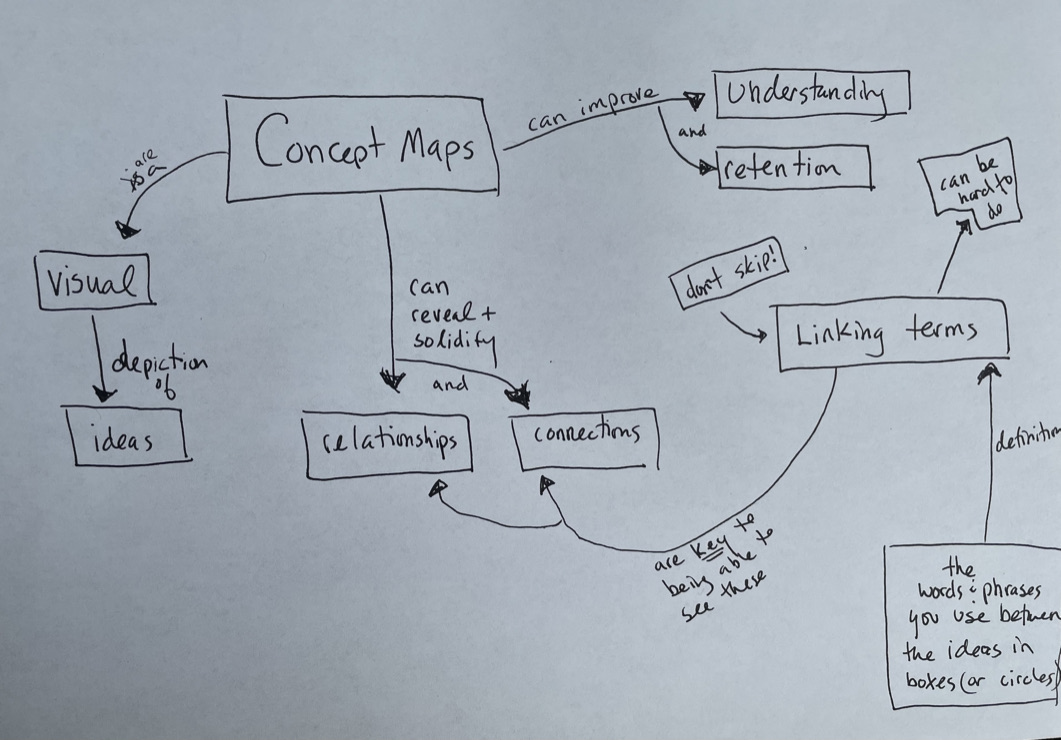
How to Create a Concept Map for Complex Subjects

Understanding a complex subject can be challenging when a chapter contains dozens of unfamiliar terms, theories, processes, and related ideas. Reading the same notes repeatedly may help you recognize the information, but it does not always help you understand how the concepts fit together. A concept map offers a practical way to organize knowledge, identify connections, and see the bigger… Continue reading How to Create a Concept Map for Complex Subjects

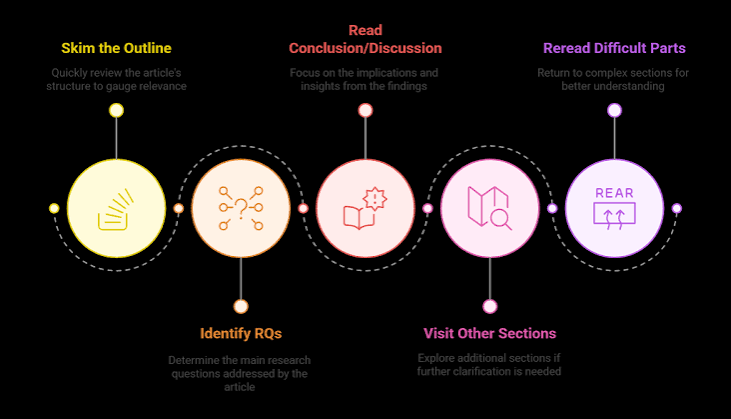
How to Read and Understand Academic Journal Articles

Academic journal articles are an important part of university learning, scientific research, and academic writing. They provide evidence, explain new discoveries, evaluate existing ideas, and help students understand what researchers already know about a subject. However, reading them can feel challenging, especially when they contain technical terminology, statistical results, complex arguments, and unfamiliar research methods. Learning how to read academic… Continue reading How to Read and Understand Academic Journal Articles

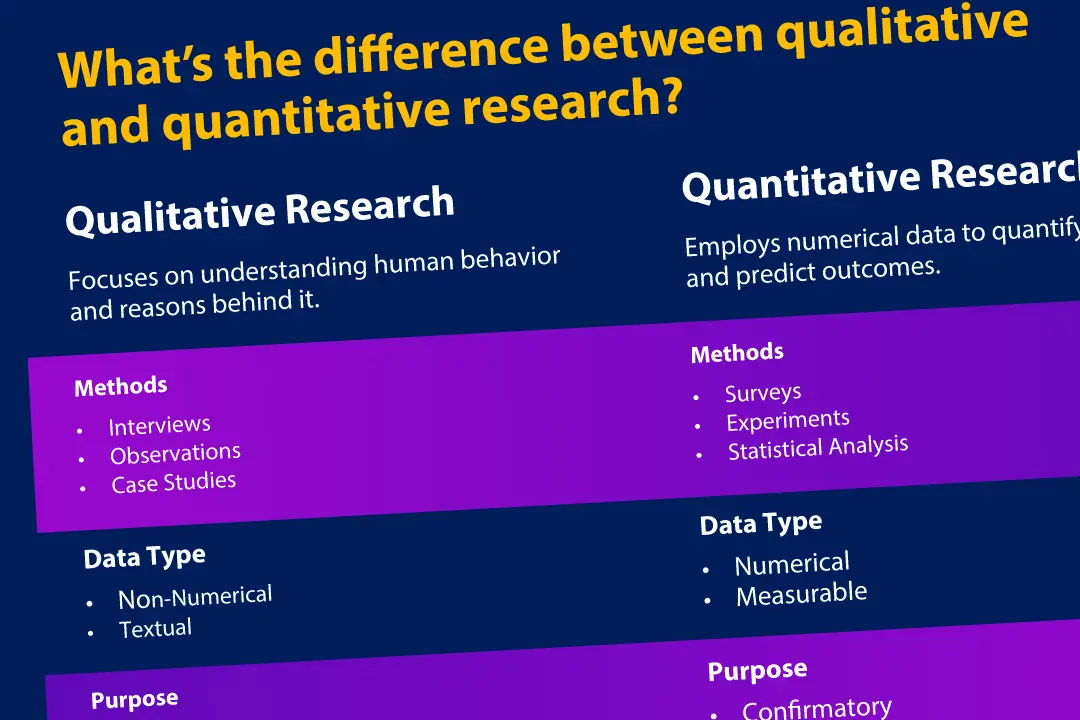
Qualitative vs Quantitative Research: Key Differences

Choosing the right research method is one of the most important decisions students make when planning an academic project. Some research questions require numerical data and statistical analysis, while others need detailed explanations of people’s experiences, opinions, or behavior. Understanding the difference between qualitative and quantitative research helps you select an approach that fits your research question and produces meaningful… Continue reading Qualitative vs Quantitative Research: Key Differences

How to Conduct a Student Research Project From Start to Finish

A student research project is an opportunity to explore a topic in depth, develop critical thinking skills, and learn how to find and evaluate reliable information. Whether you are completing a high school assignment, an undergraduate paper, or a university research project, following a clear process can make the work more manageable and improve the quality of your results. Learning… Continue reading How to Conduct a Student Research Project From Start to Finish