Planning a trip to the California coast? Knowing the best time to visit Black’s Beach can help you enjoy its dramatic cliffs, scenic Pacific Ocean views, and famous surf breaks while preparing for changing coastal conditions. Located beneath the Torrey Pines bluffs in La Jolla, San Diego, Black’s Beach offers a quieter, more secluded experience than many popular city beaches. However, the weather, tides, surf, and beach access can all affect your visit.
For many visitors, late summer and early fall are excellent choices because San Diego often experiences pleasant weather during August, September, and October. The right time ultimately depends on whether you want to take photographs, relax on the sand, explore the coastline, or surf.
What Is the Best Month to Visit Black’s Beach?
Late summer and early fall are generally strong options for a beach visit. According to the, August through October often offers some of the region’s most favorable beach weather, while late winter and spring can be less predictable.
Summer: June Through August
Summer brings longer daylight hours and plenty of opportunities to enjoy the coastline. It can be a good season for sunbathing, photography, and spending time outdoors.
However, coastal weather does not always match inland conditions. Morning cloud cover and cool ocean breezes can make the beach feel chilly, even when inland San Diego is warm. Summer can also attract more visitors, so arriving early may help you enjoy a quieter shoreline.
Before leaving, check the surf forecast, tide information, and access conditions rather than assuming the beach will be suitable simply because the weather is sunny.
Fall: September Through October
For many people, fall is the best time to visit Black’s Beach. September and October often bring warm, pleasant weather, making these months appealing for sightseeing, relaxing, and coastal photography.
The beach may also feel less crowded than during peak summer vacation periods. Surfers may encounter changing swell conditions as the season progresses, but wave quality and difficulty vary from day to day.
Remember that comfortable weather does not guarantee safe swimming. Black’s Beach is known for powerful surf and rip currents, so assess ocean conditions before entering the water.
Winter: November Through February
Winter offers a different experience, with dramatic waves, moody skies, and striking coastal scenery. Experienced surfers may be interested in winter swells, but larger waves and stronger currents can make the ocean especially hazardous.
Cooler temperatures, rain, and changing weather can also affect access and comfort. If you visit in winter, wear layers, check the forecast, and avoid the base of the cliffs, where rockslides can occur without warning.
Winter is generally better suited to prepared visitors who want to appreciate the scenery than to inexperienced swimmers looking for calm water.
Spring: March Through May
Spring can be a pleasant time for a peaceful coastal walk or photography, but weather conditions may change quickly. Cloudy mornings, cooler temperatures, and occasional rain can affect your plans.
Spring is worth considering if you prefer a quieter outing and are flexible about the weather. Check current access information before setting out, especially after rain, when trails may be more challenging.
What Time of Day Should You Visit?
Morning is often a practical choice for visitors who want cooler temperatures, softer light, and a calmer start to the day. Early visits can also leave more time to explore before afternoon conditions change.
Late afternoon may offer attractive lighting for coastal photography, particularly when the cliffs and ocean are illuminated by the setting sun. However, allow enough time to leave the beach safely before dark. Do not begin a difficult climb or unfamiliar access route in fading light.
Regardless of the time, check the tide chart before walking along the shoreline. High tides and large surf can block routes between Black’s Beach and neighboring beaches.
Why Tides and Ocean Conditions Matter
Choosing the best time to visit Black’s Beach involves more than checking the weather. The beach lies beneath steep, unstable cliffs, and reaching the sand can be challenging. The City of San Diego advises that access from neighboring beaches may be obstructed by high tides or surf.
Before your trip:
Check local tide predictions and surf conditions.
Confirm that your intended access route is open and safe.
Stay well away from cliff faces and overhangs.
Never assume the ocean is safe because the waves look small.
Avoid swimming alone, and do not enter the water if conditions exceed your ability.
What to Bring for a Comfortable Visit
Pack drinking water, sunscreen, a hat, suitable footwear, and layers for changing coastal temperatures. Bring a fully charged phone and plan your route before leaving.
Black’s Beach has limited facilities directly on the sand, so do not assume restrooms, showers, or convenient services will be available at your chosen access point. Carry out all rubbish and follow posted rules.
Frequently Asked Questions
Is summer the best time to visit Black’s Beach?
Summer is popular for outdoor activities, but late summer and early fall often offer particularly pleasant weather. Always check surf, tides, and access conditions.
Is Black’s Beach worth visiting in winter?
Yes, especially for scenery and photography. However, winter surf and currents can be dangerous, so check conditions and avoid entering rough water.
What is the best time of day to visit?
Morning is a practical option for cooler temperatures and softer light. Late afternoon can be beautiful for photographs, but leave enough daylight for a safe exit.
Is Black’s Beach safe for swimming?
Conditions can be hazardous because of powerful surf, rip currents, and limited access. Inexperienced swimmers should avoid entering the water, and all visitors should follow current safety guidance.
Final Thoughts
The best time to visit Black’s Beach in San Diego is often September or October if you are looking for pleasant weather and a scenic coastal experience. Summer is also appealing, while winter offers dramatic surf and spring can provide a quieter visit.
Whatever season you choose, make tide checks, safe access, and ocean conditions part of your planning. A flexible itinerary and careful preparation will help you appreciate Black’s Beach while respecting its unique coastal environment.
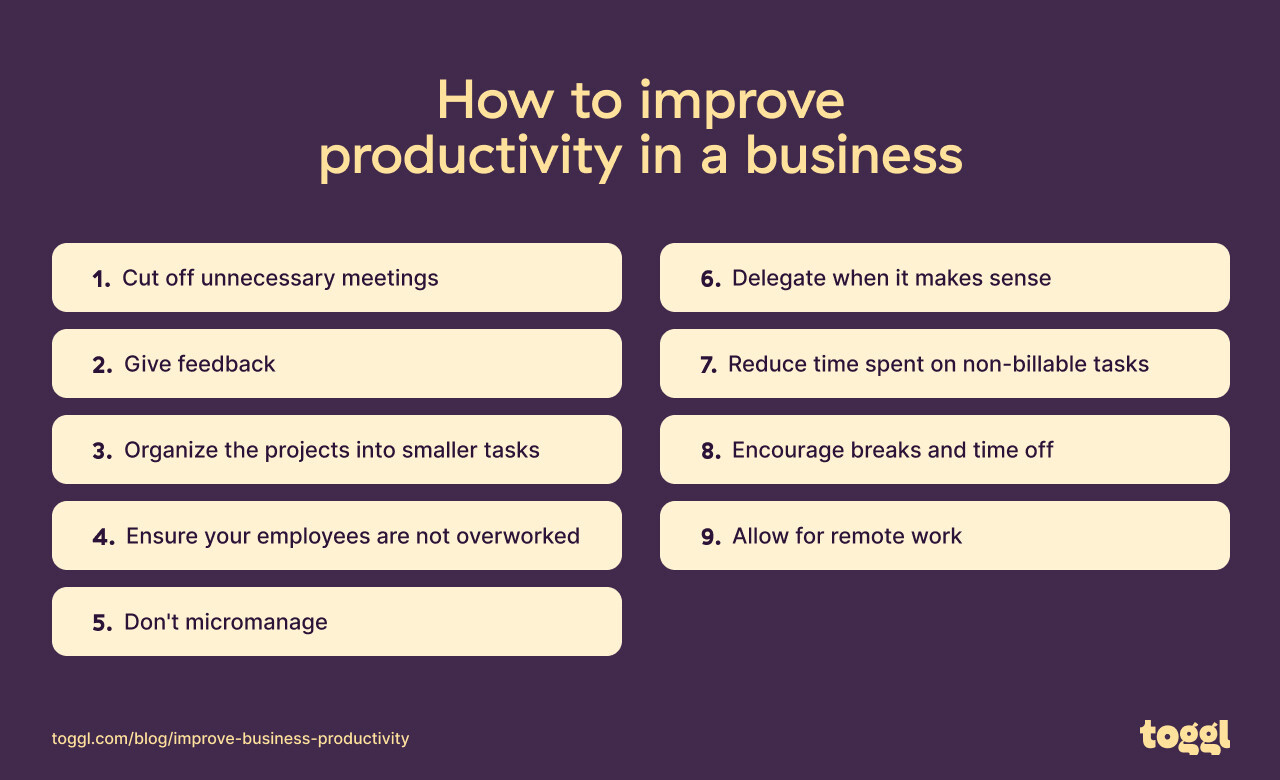
Business productivity is often associated with doing more work in less time, but that definition misses an important point. True productivity is about creating better results without unnecessarily increasing pressure on employees or resources. For small and growing businesses, improving productivity can create valuable opportunities to increase profitability, serve customers more effectively, and compete with larger organizations.
Entrepreneurs looking for practical ideas related to business development, technology, finance, and workplace improvement can find a cool way to improve their approach by exploring reliable business resources and applying useful ideas to their own operations. The goal is not to copy every strategy available, but to identify improvements that make sense for a particular business and its customers.
Start by Finding Productivity Problems
Before making changes, business owners should understand where productivity is being lost. Some problems are obvious, while others develop slowly and become part of the normal routine.
Employees may spend too much time searching for information, waiting for approvals, repeating manual tasks, or dealing with unclear instructions. Customers may experience similar problems when trying to contact the business, place an order, or receive support.
A simple review of everyday activities can reveal these weaknesses. Business owners can list major processes and ask how much time each one requires, who is responsible for it, and whether every step is actually necessary.
Removing one unnecessary step from a frequently repeated process can sometimes save more time than introducing an entirely new system.
Give Employees Clear Responsibilities
Productivity becomes difficult when employees are uncertain about who is responsible for specific tasks. When responsibilities overlap, work can be duplicated. When nobody clearly owns a task, important details can be missed.
Clear job responsibilities help employees understand what is expected from them. This does not mean every role needs to be rigid. Instead, teams should know their primary responsibilities and understand how their work connects with the wider goals of the company.
Managers can also establish clear deadlines and priorities. When employees know which tasks are most important, they can organize their working time more effectively.
Reduce Unnecessary Meetings
Meetings can be useful for solving problems and making decisions, but too many meetings can reduce productivity.
Before scheduling a meeting, businesses should consider whether the issue could be handled through a short message or shared document. If a meeting is necessary, participants should know its purpose beforehand.
A simple agenda can keep the discussion focused. At the end, everyone should understand what decisions were made and who is responsible for the next steps.
This approach saves time while still providing opportunities for collaboration.
Automate Repetitive Tasks
Automation can be especially useful for small businesses because it allows limited teams to handle routine work more efficiently.
Tasks such as appointment reminders, invoice notifications, email responses, data organization, and basic reporting may be suitable for automation.
However, automation should be introduced thoughtfully. Businesses should first understand the existing process before trying to automate it. Automating a poorly designed process may simply make an inefficient system operate faster.
The best candidates are usually repetitive tasks with clear rules and predictable outcomes.
Improve the Customer Experience
Productivity should never mean making customers feel rushed or ignored. In fact, improving internal efficiency can create more time for meaningful customer interactions.
Businesses should examine common customer questions and identify ways to provide information before customers need to ask. Frequently asked questions, clear product descriptions, simple instructions, and accessible support channels can reduce unnecessary communication.
When customers can quickly find what they need, employees also spend less time answering repetitive questions.
Customer feedback is another valuable source of information. Repeated complaints can point toward weaknesses in products, services, or internal processes.
Make Better Use of Business Data
Data can help businesses replace assumptions with evidence. Even basic information can reveal useful patterns.
For example, sales data can show which products generate the most revenue. Website analytics can reveal which pages attract customers. Customer support records can identify common problems, while financial reports can highlight expenses that deserve closer attention.
The goal is not to collect every possible piece of information. Instead, businesses should identify a few key performance indicators that directly relate to their objectives.
Reviewing these metrics regularly can help managers recognize problems early and measure whether improvements are actually working.
Create a Culture of Improvement
A productive business should encourage employees to suggest better ways of working. People who perform the same tasks every day often notice inefficiencies that managers may overlook.
Employees should have a simple way to share suggestions without feeling that every idea needs to become an immediate project. Some suggestions may be tested on a small scale before being adopted more widely.
This creates a culture where improvement becomes part of normal business activity rather than something that only happens when a major problem appears.
Protect Time for Important Work
Not every task has the same value. Business owners and employees should protect time for activities that directly contribute to important goals.
Strategic planning, customer relationships, product development, financial analysis, and creative work often require uninterrupted attention. Constant notifications and unnecessary interruptions can make these activities much harder.
Creating specific periods for focused work can improve concentration and reduce the time needed to complete demanding tasks.
Measure the Results
Any improvement strategy should eventually be evaluated. Businesses need to know whether a change actually produced the expected benefit.
If a new system was introduced to save time, compare the time required before and after implementation. If a marketing process was changed, monitor leads or conversions. If customer support was improved, examine response times and customer feedback.
Measuring results prevents businesses from continuing with processes simply because they seem productive.
Small Improvements Can Create Big Results
Business productivity does not depend on one revolutionary idea. Sustainable improvement often comes from dozens of smaller changes made consistently over time.
Removing unnecessary steps, clarifying responsibilities, using technology wisely, listening to customers, reducing interruptions, and measuring results can gradually transform the way a business operates.
The most effective businesses understand that improvement is an ongoing process. They remain willing to question old habits, test better approaches, and learn from both successes and mistakes. By focusing on practical changes that create genuine value, entrepreneurs can build businesses that are more efficient, adaptable, and prepared for long-term growth.
However, selecting a supervisor involves more than finding a professor with an impressive publication record. You also need to consider research compatibility, communication style, availability, funding, mentoring experience, and the overall research environment.
If you are wondering how to choose a research supervisor, this guide explains what to look for, which questions to ask, and how to evaluate your options before making a commitment.
Why Choosing the Right Research Supervisor Matters
A research supervisor provides academic guidance throughout your graduate journey. Depending on your program and discipline, they may help you develop a research proposal, select appropriate methods, access laboratory facilities or datasets, interpret findings, write your thesis, and prepare research for publication.
A good supervisor does not simply tell you what to do. They help you become a more independent researcher by encouraging critical thinking, providing constructive feedback, and supporting your professional development.
The relationship can also affect your progress toward graduation. Unclear expectations, infrequent meetings, or limited access to guidance may make research more difficult than necessary. By contrast, a productive supervisory relationship can help you establish realistic milestones and navigate setbacks.
Before choosing a supervisor, review your graduate program’s requirements. Some universities require students to secure a supervisor before applying, while others assign one after admission or allow students to choose later.
1. Look for Research Interests That Align With Yours
Research compatibility should be one of your first considerations. A professor may be highly respected in your field, but that does not automatically mean they are the best person to supervise your specific project.
Start by identifying your broad research interests. You do not necessarily need a fully developed thesis topic, especially if you are applying for a research degree for the first time. However, you should have a clear idea of the questions, problems, or subjects you want to explore.
Next, review potential supervisors’ academic profiles, recent publications, current projects, and research group websites.
Look for evidence that their work connects with your interests. For example, if you want to investigate renewable energy policy, a professor specializing in energy economics or environmental policy may be a better match than someone whose work focuses primarily on unrelated economic theories.
Consider these questions:
Does the professor research topics related to my interests?
Are they actively working in this area?
Do their research methods match the skills I want to develop?
Could their expertise help me refine my research question?
Would their research direction allow me to pursue my academic and career goals?
Tip: Read at least two or three recent papers by each potential supervisor. This helps you understand their research approach and identify specific reasons for contacting them.
2. Evaluate Their Academic Expertise and Mentoring Experience
Subject expertise matters, but effective supervision requires more than being knowledgeable about a particular topic.
A potential supervisor should have the appropriate background to guide your project and help you understand the academic standards of your discipline. Depending on your research, this might include experience with laboratory techniques, statistical analysis, fieldwork, theoretical frameworks, qualitative interviews, or specialized software.
You should also investigate their experience supervising graduate students.
Useful indicators include:
Experience supervising master’s or doctoral research.
Evidence that previous students completed their degrees.
Publications or conference presentations involving graduate researchers.
Support for students applying for scholarships, internships, or research opportunities.
Former students’ career paths after graduation.
Do not assume that a newer academic will be a poor supervisor or that a senior professor will automatically be excellent. Early-career academics may offer close collaboration and current research expertise, while experienced supervisors may bring established networks and extensive mentoring knowledge. The important question is whether the person can provide the guidance and support you need.
3. Understand Their Supervision Style
Supervisors differ in how they guide students. Some meet frequently, provide detailed feedback, and help students plan each stage of a project. Others expect students to work independently and seek assistance when necessary.
Neither approach is automatically better. The best fit depends on your experience, research needs, and preferred working style.
For example, a student beginning laboratory research may benefit from regular guidance on methods and experimental design. A student who has already completed substantial independent research may prefer greater freedom to develop ideas.
During an initial conversation, ask how the professor typically works with graduate students.
Consider asking:
How often do you meet with your graduate students?
Do you prefer scheduled meetings or informal check-ins?
How do you provide feedback on research proposals and thesis chapters?
What level of independence do you expect from students?
How do you help students who encounter research difficulties?
How are goals and progress reviewed throughout the year?
Try to understand not only how often the supervisor meets students, but also how useful those meetings are. A clear process for discussing progress, addressing problems, and reviewing written work can make a significant difference.
4. Check Their Availability and Current Workload
A professor’s research reputation may attract many students, but a large supervisory workload can limit the time they have available for each person.
Before committing, find out whether the professor is accepting new graduate researchers and whether they have enough capacity to supervise your project properly.
Ask about their current graduate students, planned research commitments, upcoming sabbaticals, and expected availability during your degree. In laboratory-based or collaborative research, also clarify who will provide day-to-day guidance if the primary supervisor is away.
A professor who travels frequently can still be an effective supervisor if they communicate clearly and have a reliable support structure. The key is to understand how supervision will work in practice.
Pay attention to how the professor communicates during your initial contact. A delayed response does not necessarily indicate poor supervision, since academics have competing responsibilities. However, repeated vague replies or an unwillingness to clarify basic expectations may warrant further consideration.
5. Ask About Funding and Research Resources
Funding is an essential part of choosing a research supervisor, especially if you plan to study full-time or conduct research that requires specialized resources.
Some supervisors can support students through research grants, teaching assistantships, research assistantships, or departmental funding. Others may expect students to secure scholarships or apply for external funding independently.
Before accepting an offer, clarify the financial arrangements rather than relying on assumptions.
Questions to ask include:
Is funding available for my proposed project?
What is the amount and duration of any stipend or assistantship?
Are tuition fees covered, partially covered, or separate?
Is funding guaranteed for the expected duration of my degree?
Are there opportunities for paid teaching or research work?
Will funding be available for conferences, fieldwork, equipment, or data collection?
You should also consider whether the research environment has the resources needed for your project. These may include laboratory facilities, software, specialist equipment, research databases, fieldwork support, or access to collaborators.
Funding and resource arrangements vary substantially between countries, institutions, and disciplines. Request written details and confirm them with the graduate program before making a final decision.
6. Speak With Current and Former Graduate Students
One of the most useful ways to understand a supervisor’s mentoring style is to speak with students who have worked with them.
A professor’s official biography can tell you about their research achievements, but students may provide a clearer picture of everyday supervision. They can explain how often meetings take place, how feedback is delivered, and what happens when a project encounters difficulties.
If possible, speak with more than one student. Experiences can differ depending on the project, the student’s working style, and the stage of their degree.
Ask questions such as:
Is the supervisor accessible when you need advice?
Do they provide constructive feedback within a reasonable timeframe?
Are expectations and deadlines communicated clearly?
Do they support students’ academic and career development?
How are disagreements or research setbacks handled?
Would you choose to work with this supervisor again?
Approach these conversations thoughtfully. One person’s experience should not be treated as the complete picture, and students may be reluctant to discuss sensitive concerns openly. Look for consistent patterns rather than relying on a single comment.
7. Consider Communication, Respect, and Research Culture
Graduate research can involve uncertainty, failed experiments, rejected papers, changing hypotheses, and long periods of problem-solving. You need a supervisor with whom you can discuss difficulties honestly and professionally.
During your meetings, notice whether the professor listens carefully, answers questions clearly, and treats your ideas with respect. You do not have to agree on every issue, but you should feel able to raise concerns and explain your reasoning.
Also consider the broader research group. A collaborative environment may provide opportunities to learn from other graduate students, attend seminars, share technical knowledge, and build professional connections.
Before accepting a position, clarify expectations concerning working hours, group meetings, teaching duties, publication goals, authorship, data management, and research integrity.
Be cautious if a potential supervisor pressures you to accept immediately without answering reasonable questions, dismisses concerns about working conditions, or makes promises that cannot be verified. A healthy supervisory relationship should include professional boundaries, mutual respect, and clear expectations.
8. Assess Career Development Opportunities
Your graduate degree should help you build skills that remain valuable after graduation. Depending on your goals, these may include academic writing, data analysis, laboratory methods, public speaking, project management, teaching, collaboration, or industry experience.
Ask potential supervisors how they support students’ professional development.
For example, you might want to know whether graduate researchers have opportunities to:
Present at academic conferences.
Publish research papers where appropriate.
Collaborate with other laboratories or institutions.
Apply for grants, fellowships, or internships.
Develop teaching and mentoring experience.
Connect with researchers or employers in their field.
If you intend to pursue an academic career, ask about opportunities to develop a publication record, teach, and build a professional research network. If you plan to enter industry, government, or a nonprofit organization, consider whether the research group supports transferable skills and relevant collaborations.
The most suitable supervisor is one who can support your long-term development, not just help you finish a thesis.
9. Contact Potential Supervisors Professionally
Once you have shortlisted suitable academics, send a concise, personalized email. Avoid sending the same generic message to every professor. A specific message shows that you have researched their work and considered how your interests align.
Your email should include:
A clear subject line.
A brief introduction and your current academic background.
Your intended degree and approximate start date.
A short explanation of your research interests.
A specific reference to the professor’s work.
A polite request to discuss potential supervision opportunities.
Your CV and any other documents requested by the program.
Sample Email to a Potential Research Supervisor
Subject: Prospective Graduate Student Interested in Your Research on [Topic]
Dear Professor [Last Name],
I am preparing to apply for the [Master’s/PhD] program in [Field] at [University]. My academic background is in [Subject], and my research interests include [Brief Research Interest].
I recently read your work on [Specific Paper or Research Project], particularly your discussion of [Relevant Idea]. It closely relates to my interest in [Research Question], and I would welcome the opportunity to explore this area further.
May I ask whether you expect to accept graduate students for [Proposed Start Term]? I have attached my CV and [Other Relevant Document] for your consideration.
Thank you for your time. I would appreciate the opportunity to discuss whether my interests could fit your current research.
Kind regards, [Your Full Name]
Follow the university’s instructions carefully, as some departments require applicants to contact faculty before applying while others discourage direct outreach until a particular stage.
10. Compare Your Options Before Making a Final Decision
If several professors appear suitable, compare them systematically instead of choosing based on reputation alone.
Create a simple table and rate each potential supervisor against the factors that matter most to you.
Factor
What to evaluate
Research fit
Alignment with your interests and proposed topic
Expertise
Relevant subject knowledge and research methods
Mentoring
Experience supporting graduate students
Availability
Meeting frequency and capacity to supervise
Communication
Clarity, responsiveness, and constructive feedback
Funding
Stipend, tuition support, and research expenses
Research environment
Facilities, collaboration, and group culture
Career support
Training, networking, and future opportunities
You can rate each factor from 1 to 5 and add notes from meetings and student conversations. Treat the scores as a decision aid rather than a scientific measurement. Some issues, such as funding security, professional conduct, and research compatibility, may be more important than the total score.
Finally, review the program’s formal supervision policies and confirm any commitments in writing before accepting an offer.
Common Mistakes to Avoid When Choosing a Research Supervisor
Even well-prepared applicants can overlook important factors. Avoid these common mistakes:
Choosing based only on reputation: A famous professor may not have the time or research focus you need.
Ignoring research compatibility: A mismatch between your interests and the supervisor’s expertise can make it harder to develop a focused, achievable project.
Failing to discuss expectations: Unclear deadlines, feedback arrangements, authorship, and responsibilities can create preventable conflicts.
Assuming funding is guaranteed: Confirm the amount, duration, conditions, and source of any promised support.
Relying on one person’s opinion: Speak with multiple students and compare experiences where possible.
Overlooking your own goals: The best supervisor for another student may not be the best fit for your learning style or career plans.
Final Thoughts
Learning how to choose a research supervisor is about finding a person who combines relevant expertise with effective mentorship, clear communication, and a supportive research environment. The right choice can help you become a more capable researcher, complete meaningful work, and prepare for your next academic or professional step.
Start early, research potential supervisors carefully, read their recent publications, speak with current or former students, and ask direct questions about expectations, funding, availability, and career development. Most importantly, remember that supervision is a professional relationship that should work for both the student and the academic.
Take the time to compare your options. A thoughtful decision now can make your graduate research experience more productive, rewarding, and manageable.
Frequently Asked Questions
When should I contact a potential research supervisor?
Start several months before your intended application deadline if your program expects applicants to secure supervision in advance. Check each university’s requirements because some programs assign supervisors after admission or during the first year.
What qualifications should a research supervisor have?
A supervisor should have appropriate expertise in your research area, be eligible to supervise students under university rules, and have the capacity to guide your project. Relevant mentoring experience and access to necessary research resources are also important.
Should I choose a famous professor or a more available supervisor?
Choose based on fit rather than reputation alone. A well-known professor can be an excellent mentor, but you should confirm how much direct supervision they provide. A less prominent academic may offer closer guidance or more relevant expertise for your project.
What questions should I ask a potential research supervisor?
Ask about research alignment, meeting frequency, feedback timelines, expected independence, funding, current workload, available resources, authorship practices, and career-development opportunities. Speaking with current students can help you assess how these arrangements work in practice.
Can I change my research supervisor after starting graduate school?
Many institutions have procedures for changing supervisors, but the process and possible consequences vary by program. Review your university’s policies and speak with the graduate coordinator or program director if you are considering a change.
Choosing a research supervisor is one of the most important decisions you will make during your graduate studies. Whether you are pursuing a master’s degree, a research-based master’s program, or a PhD, the right supervisor can help you refine your research question, develop essential academic skills, overcome challenges, and prepare for your future career.
However, selecting a supervisor involves more than finding a professor with an impressive publication record. You also need to consider research compatibility, communication style, availability, funding, mentoring experience, and the overall research environment.
If you are wondering how to choose a research supervisor, this guide explains what to look for, which questions to ask, and how to evaluate your options before making a commitment.
Why Choosing the Right Research Supervisor Matters
A research supervisor provides academic guidance throughout your graduate journey. Depending on your program and discipline, they may help you develop a research proposal, select appropriate methods, access laboratory facilities or datasets, interpret findings, write your thesis, and prepare research for publication.
A good supervisor does not simply tell you what to do. They help you become a more independent researcher by encouraging critical thinking, providing constructive feedback, and supporting your professional development.
The relationship can also affect your progress toward graduation. Unclear expectations, infrequent meetings, or limited access to guidance may make research more difficult than necessary. By contrast, a productive supervisory relationship can help you establish realistic milestones and navigate setbacks.
Before choosing a supervisor, review your graduate program’s requirements. Some universities require students to secure a supervisor before applying, while others assign one after admission or allow students to choose later.
1. Look for Research Interests That Align With Yours
Research compatibility should be one of your first considerations. A professor may be highly respected in your field, but that does not automatically mean they are the best person to supervise your specific project.
Start by identifying your broad research interests. You do not necessarily need a fully developed thesis topic, especially if you are applying for a research degree for the first time. However, you should have a clear idea of the questions, problems, or subjects you want to explore.
Next, review potential supervisors’ academic profiles, recent publications, current projects, and research group websites.
Look for evidence that their work connects with your interests. For example, if you want to investigate renewable energy policy, a professor specializing in energy economics or environmental policy may be a better match than someone whose work focuses primarily on unrelated economic theories.
Consider these questions:
Does the professor research topics related to my interests?
Are they actively working in this area?
Do their research methods match the skills I want to develop?
Could their expertise help me refine my research question?
Would their research direction allow me to pursue my academic and career goals?
Tip: Read at least two or three recent papers by each potential supervisor. This helps you understand their research approach and identify specific reasons for contacting them.
2. Evaluate Their Academic Expertise and Mentoring Experience
Subject expertise matters, but effective supervision requires more than being knowledgeable about a particular topic.
A potential supervisor should have the appropriate background to guide your project and help you understand the academic standards of your discipline. Depending on your research, this might include experience with laboratory techniques, statistical analysis, fieldwork, theoretical frameworks, qualitative interviews, or specialized software.
You should also investigate their experience supervising graduate students.
Useful indicators include:
Experience supervising master’s or doctoral research.
Evidence that previous students completed their degrees.
Publications or conference presentations involving graduate researchers.
Support for students applying for scholarships, internships, or research opportunities.
Former students’ career paths after graduation.
Do not assume that a newer academic will be a poor supervisor or that a senior professor will automatically be excellent. Early-career academics may offer close collaboration and current research expertise, while experienced supervisors may bring established networks and extensive mentoring knowledge. The important question is whether the person can provide the guidance and support you need.
3. Understand Their Supervision Style
Supervisors differ in how they guide students. Some meet frequently, provide detailed feedback, and help students plan each stage of a project. Others expect students to work independently and seek assistance when necessary.
Neither approach is automatically better. The best fit depends on your experience, research needs, and preferred working style.
For example, a student beginning laboratory research may benefit from regular guidance on methods and experimental design. A student who has already completed substantial independent research may prefer greater freedom to develop ideas.
During an initial conversation, ask how the professor typically works with graduate students.
Consider asking:
How often do you meet with your graduate students?
Do you prefer scheduled meetings or informal check-ins?
How do you provide feedback on research proposals and thesis chapters?
What level of independence do you expect from students?
How do you help students who encounter research difficulties?
How are goals and progress reviewed throughout the year?
Try to understand not only how often the supervisor meets students, but also how useful those meetings are. A clear process for discussing progress, addressing problems, and reviewing written work can make a significant difference.
4. Check Their Availability and Current Workload
A professor’s research reputation may attract many students, but a large supervisory workload can limit the time they have available for each person.
Before committing, find out whether the professor is accepting new graduate researchers and whether they have enough capacity to supervise your project properly.
Ask about their current graduate students, planned research commitments, upcoming sabbaticals, and expected availability during your degree. In laboratory-based or collaborative research, also clarify who will provide day-to-day guidance if the primary supervisor is away.
A professor who travels frequently can still be an effective supervisor if they communicate clearly and have a reliable support structure. The key is to understand how supervision will work in practice.
Pay attention to how the professor communicates during your initial contact. A delayed response does not necessarily indicate poor supervision, since academics have competing responsibilities. However, repeated vague replies or an unwillingness to clarify basic expectations may warrant further consideration.
5. Ask About Funding and Research Resources
Funding is an essential part of choosing a research supervisor, especially if you plan to study full-time or conduct research that requires specialized resources.
Some supervisors can support students through research grants, teaching assistantships, research assistantships, or departmental funding. Others may expect students to secure scholarships or apply for external funding independently.
Before accepting an offer, clarify the financial arrangements rather than relying on assumptions.
Questions to ask include:
Is funding available for my proposed project?
What is the amount and duration of any stipend or assistantship?
Are tuition fees covered, partially covered, or separate?
Is funding guaranteed for the expected duration of my degree?
Are there opportunities for paid teaching or research work?
Will funding be available for conferences, fieldwork, equipment, or data collection?
You should also consider whether the research environment has the resources needed for your project. These may include laboratory facilities, software, specialist equipment, research databases, fieldwork support, or access to collaborators.
Funding and resource arrangements vary substantially between countries, institutions, and disciplines. Request written details and confirm them with the graduate program before making a final decision.
6. Speak With Current and Former Graduate Students
One of the most useful ways to understand a supervisor’s mentoring style is to speak with students who have worked with them.
A professor’s official biography can tell you about their research achievements, but students may provide a clearer picture of everyday supervision. They can explain how often meetings take place, how feedback is delivered, and what happens when a project encounters difficulties.
If possible, speak with more than one student. Experiences can differ depending on the project, the student’s working style, and the stage of their degree.
Ask questions such as:
Is the supervisor accessible when you need advice?
Do they provide constructive feedback within a reasonable timeframe?
Are expectations and deadlines communicated clearly?
Do they support students’ academic and career development?
How are disagreements or research setbacks handled?
Would you choose to work with this supervisor again?
Approach these conversations thoughtfully. One person’s experience should not be treated as the complete picture, and students may be reluctant to discuss sensitive concerns openly. Look for consistent patterns rather than relying on a single comment.
7. Consider Communication, Respect, and Research Culture
Graduate research can involve uncertainty, failed experiments, rejected papers, changing hypotheses, and long periods of problem-solving. You need a supervisor with whom you can discuss difficulties honestly and professionally.
During your meetings, notice whether the professor listens carefully, answers questions clearly, and treats your ideas with respect. You do not have to agree on every issue, but you should feel able to raise concerns and explain your reasoning.
Also consider the broader research group. A collaborative environment may provide opportunities to learn from other graduate students, attend seminars, share technical knowledge, and build professional connections.
Before accepting a position, clarify expectations concerning working hours, group meetings, teaching duties, publication goals, authorship, data management, and research integrity.
Be cautious if a potential supervisor pressures you to accept immediately without answering reasonable questions, dismisses concerns about working conditions, or makes promises that cannot be verified. A healthy supervisory relationship should include professional boundaries, mutual respect, and clear expectations.
8. Assess Career Development Opportunities
Your graduate degree should help you build skills that remain valuable after graduation. Depending on your goals, these may include academic writing, data analysis, laboratory methods, public speaking, project management, teaching, collaboration, or industry experience.
Ask potential supervisors how they support students’ professional development.
For example, you might want to know whether graduate researchers have opportunities to:
Present at academic conferences.
Publish research papers where appropriate.
Collaborate with other laboratories or institutions.
Apply for grants, fellowships, or internships.
Develop teaching and mentoring experience.
Connect with researchers or employers in their field.
If you intend to pursue an academic career, ask about opportunities to develop a publication record, teach, and build a professional research network. If you plan to enter industry, government, or a nonprofit organization, consider whether the research group supports transferable skills and relevant collaborations.
The most suitable supervisor is one who can support your long-term development, not just help you finish a thesis.
9. Contact Potential Supervisors Professionally
Once you have shortlisted suitable academics, send a concise, personalized email. Avoid sending the same generic message to every professor. A specific message shows that you have researched their work and considered how your interests align.
Your email should include:
A clear subject line.
A brief introduction and your current academic background.
Your intended degree and approximate start date.
A short explanation of your research interests.
A specific reference to the professor’s work.
A polite request to discuss potential supervision opportunities.
Your CV and any other documents requested by the program.
Sample Email to a Potential Research Supervisor
Subject: Prospective Graduate Student Interested in Your Research on [Topic]
Dear Professor [Last Name],
I am preparing to apply for the [Master’s/PhD] program in [Field] at [University]. My academic background is in [Subject], and my research interests include [Brief Research Interest].
I recently read your work on [Specific Paper or Research Project], particularly your discussion of [Relevant Idea]. It closely relates to my interest in [Research Question], and I would welcome the opportunity to explore this area further.
May I ask whether you expect to accept graduate students for [Proposed Start Term]? I have attached my CV and [Other Relevant Document] for your consideration.
Thank you for your time. I would appreciate the opportunity to discuss whether my interests could fit your current research.
Kind regards, [Your Full Name]
Follow the university’s instructions carefully, as some departments require applicants to contact faculty before applying while others discourage direct outreach until a particular stage.
10. Compare Your Options Before Making a Final Decision
If several professors appear suitable, compare them systematically instead of choosing based on reputation alone.
Create a simple table and rate each potential supervisor against the factors that matter most to you.
Factor
What to evaluate
Research fit
Alignment with your interests and proposed topic
Expertise
Relevant subject knowledge and research methods
Mentoring
Experience supporting graduate students
Availability
Meeting frequency and capacity to supervise
Communication
Clarity, responsiveness, and constructive feedback
Funding
Stipend, tuition support, and research expenses
Research environment
Facilities, collaboration, and group culture
Career support
Training, networking, and future opportunities
You can rate each factor from 1 to 5 and add notes from meetings and student conversations. Treat the scores as a decision aid rather than a scientific measurement. Some issues, such as funding security, professional conduct, and research compatibility, may be more important than the total score.
Finally, review the program’s formal supervision policies and confirm any commitments in writing before accepting an offer.
Common Mistakes to Avoid When Choosing a Research Supervisor
Even well-prepared applicants can overlook important factors. Avoid these common mistakes:
Choosing based only on reputation: A famous professor may not have the time or research focus you need.
Ignoring research compatibility: A mismatch between your interests and the supervisor’s expertise can make it harder to develop a focused, achievable project.
Failing to discuss expectations: Unclear deadlines, feedback arrangements, authorship, and responsibilities can create preventable conflicts.
Assuming funding is guaranteed: Confirm the amount, duration, conditions, and source of any promised support.
Relying on one person’s opinion: Speak with multiple students and compare experiences where possible.
Overlooking your own goals: The best supervisor for another student may not be the best fit for your learning style or career plans.
Final Thoughts
Learning how to choose a research supervisor is about finding a person who combines relevant expertise with effective mentorship, clear communication, and a supportive research environment. The right choice can help you become a more capable researcher, complete meaningful work, and prepare for your next academic or professional step.
Start early, research potential supervisors carefully, read their recent publications, speak with current or former students, and ask direct questions about expectations, funding, availability, and career development. Most importantly, remember that supervision is a professional relationship that should work for both the student and the academic.
Take the time to compare your options. A thoughtful decision now can make your graduate research experience more productive, rewarding, and manageable.
Frequently Asked Questions
When should I contact a potential research supervisor?
Start several months before your intended application deadline if your program expects applicants to secure supervision in advance. Check each university’s requirements because some programs assign supervisors after admission or during the first year.
What qualifications should a research supervisor have?
A supervisor should have appropriate expertise in your research area, be eligible to supervise students under university rules, and have the capacity to guide your project. Relevant mentoring experience and access to necessary research resources are also important.
Should I choose a famous professor or a more available supervisor?
Choose based on fit rather than reputation alone. A well-known professor can be an excellent mentor, but you should confirm how much direct supervision they provide. A less prominent academic may offer closer guidance or more relevant expertise for your project.
What questions should I ask a potential research supervisor?
Ask about research alignment, meeting frequency, feedback timelines, expected independence, funding, current workload, available resources, authorship practices, and career-development opportunities. Speaking with current students can help you assess how these arrangements work in practice.
Can I change my research supervisor after starting graduate school?
Many institutions have procedures for changing supervisors, but the process and possible consequences vary by program. Review your university’s policies and speak with the graduate coordinator or program director if you are considering a change.
Applying to graduate school is an important step toward advancing your education, developing specialized knowledge, and pursuing long-term academic or professional goals. Whether you plan to earn a master’s degree, pursue a PhD, or enter a professional graduate program, the application process requires careful planning, thoughtful writing, and attention to detail.
Effective graduate school application preparation begins long before you submit an online form. You need to identify suitable programs, understand admission requirements, organize academic records, request strong recommendation letters, and explain why you are a good fit for your chosen field.
The process can feel overwhelming when you are applying to several universities at once. However, a clear timeline and a systematic approach can make each stage more manageable.
This guide explains how to prepare for graduate school applications, strengthen your application materials, avoid common mistakes, and improve your readiness for the next stage of your education.
1. Define Your Graduate Study Goals
Before researching universities, clarify why you want to attend graduate school and what you hope to achieve.
Different students pursue graduate education for different reasons. You may want to specialize in a subject, develop research skills, qualify for a particular profession, change career direction, or prepare for doctoral study.
Your goals should influence the programs you consider.
Ask yourself:
Which subject or research area interests me most?
What skills or knowledge do I want to develop?
Do I need a master’s degree, a PhD, or a professional qualification?
Do I prefer research-focused study, coursework, or a combination of both?
How will this degree support my future career?
What can I realistically afford in tuition and living expenses?
For example, a student interested in academic research may prioritize programs with research laboratories, experienced supervisors, and opportunities to publish. A student pursuing a professional career may place greater emphasis on internships, industry connections, practical training, and professional accreditation.
Write a short statement describing your academic interests and long-term objectives. You can use it as a reference when comparing programs and preparing your statement of purpose.
You do not need to have your entire career mapped out. You do need a reasonable explanation of why graduate study is the right next step for you.
2. Research Universities and Graduate Programs Carefully
Choosing the right program is one of the most important parts of graduate school application preparation. A university’s overall reputation does not necessarily tell you whether a particular department, course, or research group is a good match for your interests.
Start by researching programs that align with your academic background, professional plans, and preferred learning environment.
Compare program requirements
Review each program’s official admissions page. Look for information about:
Required undergraduate degree or academic background
Minimum GPA or other academic criteria
Prerequisite courses
Required application documents
Standardized tests, if applicable
English-language proficiency requirements, if applicable
Application fees and fee-waiver options
Funding, scholarships, and assistantships
Application deadlines and available entry terms
Do not assume that two programs at the same university have identical requirements. Departments may set different expectations, even when they use the same central application system.
Evaluate academic fit
Explore the curriculum, faculty profiles, research centers, laboratories, and available specialization options.
If you are applying for a research degree, examine whether faculty members work on topics that genuinely interest you. Read recent publications or project descriptions when appropriate, and determine whether the program offers the supervision and resources you need.
For coursework-focused degrees, compare the modules, practical opportunities, internship options, and career support available to students.
Consider the overall cost
Tuition is only one part of the financial picture. Consider accommodation, transportation, insurance, books, visa-related costs where applicable, and everyday living expenses.
Investigate scholarships, graduate assistantships, research funding, and other forms of support. Confirm what each award covers and whether international applicants are eligible.
Create a shortlist of programs based on academic fit, affordability, admission requirements, and career relevance rather than applying only to institutions with familiar names.
3. Create a Graduate School Application Timeline
Graduate applications involve multiple tasks, and some depend on other people or external organizations. Recommendation letters, official transcripts, standardized tests, and document evaluations may take time to arrange.
Starting early gives you room to resolve problems without rushing through important materials.
The following timeline is a useful planning framework. Adjust it to match each university’s actual deadlines.
Time before deadline
Main tasks
9–12 months
Research programs, clarify goals, investigate funding, and review eligibility
6–9 months
Prepare for required tests, contact potential recommenders, and gather academic records
3–6 months
Draft your statement of purpose, update your CV, and confirm document requirements
2–3 months
Revise application materials, request official documents, and complete application forms
2–4 weeks
Check missing items, confirm recommendation submissions, and submit before the deadline
After submission
Monitor application portals, respond to requests, and prepare for interviews if required
These time frames are suggestions, not universal rules. Some programs have earlier deadlines, rolling admissions, or separate funding deadlines. Others may require tests or evaluations that take longer to complete.
Create a spreadsheet with one row for each university and columns for its deadline, required documents, application fee, recommendation requirements, funding deadline, and submission status.
Use reminders for important dates and check the official application portal regularly. A single missed requirement can delay the review of an otherwise strong application.
4. Prepare Your Academic Transcripts and Supporting Documents
Transcripts provide an official record of your previous academic work. Graduate admissions teams use them to understand your educational background, completed courses, grades, and preparation for advanced study.
Check each university’s instructions to determine whether it requires unofficial transcripts during the initial application or official transcripts sent directly by your previous institution.
You may need to arrange:
Undergraduate or previous graduate transcripts
Degree certificates or proof of graduation
Certified copies of academic records
Official translations if documents are not in an accepted language
Credential evaluations, where required
Explanations of grading systems, if requested
International applicants should pay particular attention to document formats, translation requirements, and submission procedures.
Use the same spelling of your name across your application and supporting records. If your name appears differently on different documents, follow the university’s instructions for explaining the discrepancy.
Keep digital copies of your documents in clearly labeled folders. Use file names that identify the document and institution, and check that scanned files are complete, readable, and uploaded in the requested format.
If your academic record includes a weak semester, a change of major, or a gap in your education, consider whether a brief, factual explanation is appropriate. Avoid lengthy excuses or unsupported claims. Focus on relevant context, what you learned, and how you are prepared for graduate study now.
5. Write a Strong Statement of Purpose
The statement of purpose is an important opportunity to explain your academic interests, preparation, reasons for applying, and future goals. It allows the admissions committee to understand aspects of your background that may not be clear from your transcript or résumé.
A strong statement is specific to the program. It should explain not only what you want to study, but also why the program is a suitable place for you to pursue those interests.
Start with your academic interests
Explain the subject, question, or experience that shaped your interest in the field. Avoid relying on broad statements such as “I have always wanted to help people” unless you can connect them to specific academic or professional experiences.
Describe your preparation
Discuss relevant coursework, research projects, employment, internships, presentations, or other experiences that demonstrate your readiness.
Focus on what you did, what you learned, and how the experience prepared you for advanced study. If you contributed to a research project, for example, explain your role and the skills you developed.
Explain why you chose the program
Show that you have researched the department and understand what it offers. Depending on the program, you might mention relevant courses, research facilities, faculty interests, or professional opportunities.
Avoid simply repeating the university’s marketing language. Explain the connection between the program’s strengths and your own academic goals.
Connect graduate study to your future plans
Describe how the degree fits into your next steps. Your plans can evolve, but your explanation should show that you have considered why this qualification is useful.
Revise carefully
Follow the requested length, formatting, and prompt. Proofread for grammar, clarity, and repetition. Ask a trusted professor, adviser, or writing tutor to review your draft, but ensure the final statement accurately reflects your own experiences and voice.
6. Request Strong Letters of Recommendation
Recommendation letters provide another perspective on your academic ability, research potential, work ethic, and readiness for graduate study.
Choose recommenders who know your work well and can give specific examples of your strengths. Depending on the program, suitable recommenders may include professors, research supervisors, academic advisers, or professional managers.
A well-known person who barely knows you may be less helpful than someone who has directly observed your academic or professional work.
Ask early
Contact potential recommenders well before the deadline. Explain which program you are applying to, why you are interested in it, and when the letter must be submitted.
Provide useful information
Help your recommenders write a relevant letter by sharing:
Your current CV or résumé
Your academic transcript, if useful
A draft of your statement of purpose
A list of programs and their deadlines
Information about relevant projects or achievements
Instructions for submitting the recommendation
Ask whether they feel able to provide a supportive and detailed recommendation. Respect their decision if they are unavailable or do not feel they know your work well enough.
Follow up politely
Send a courteous reminder before the deadline if necessary. Monitor your application portal to confirm that the letters have been received.
Always follow each program’s instructions regarding the number and type of recommendations required. Do not assume that all universities request the same number of letters.
7. Build a Clear Academic CV or Résumé
Many graduate programs ask applicants to submit a CV or résumé. The appropriate format depends on your discipline and the type of degree.
An academic CV may include education, research experience, publications, conference presentations, teaching experience, awards, technical skills, and relevant service. A professional master’s program may prefer a concise résumé emphasizing employment, leadership, internships, and measurable accomplishments.
Include the sections most relevant to your program.
Education
List your degrees, institutions, dates, and relevant academic distinctions. Follow the application instructions if you have not yet completed your current degree.
Research and projects
Describe relevant research projects, independent studies, laboratory work, or substantial academic assignments. State your role clearly and avoid implying that you led work performed by others.
Work and internship experience
Explain responsibilities and accomplishments that demonstrate useful skills. Whenever possible, describe results or contributions rather than listing duties alone.
Publications and presentations
Include these when relevant and accurate. Clearly distinguish published work from manuscripts in preparation or presentations that have not yet taken place.
Skills and awards
List relevant technical, language, research, or analytical skills. Include awards or certifications that support your application.
Keep formatting consistent and make the document easy to scan. Check spelling, dates, job titles, and institution names carefully.
8. Prepare for Standardized Tests and Language Requirements
Some graduate programs require standardized tests, English-language proficiency tests, or discipline-specific assessments. Others waive particular tests or do not require them at all.
Never assume that a test is mandatory simply because it was required by another university you considered.
For each program, verify:
Whether a test is required, optional, or not accepted
Which test versions are accepted
The minimum score, if any
Whether all sections have minimum requirements
How official scores must be submitted
The deadline for scores to arrive
Whether exemptions are available
If a test is required, create a study schedule based on the exam format and your current preparation level. Take practice tests under realistic conditions, review your mistakes, and focus on the sections where you need the most improvement.
Book an examination date early enough to allow for score reporting and, if feasible, a retake. Confirm current procedures and fees through the official testing provider.
International applicants should also check whether their previous education qualifies them for a language-test exemption. Exemptions are determined by each institution, not by a universal rule.
9. Investigate Funding, Scholarships, and Application Costs
Graduate education can involve substantial expenses, so financial planning should be part of your application strategy from the beginning.
Research the full cost of each program rather than comparing tuition alone. Look at mandatory fees, housing, transportation, insurance, books, and other living expenses.
Potential sources of support may include:
University scholarships
Departmental awards
Graduate teaching assistantships
Research assistantships
Employer sponsorship
Government or foundation scholarships
Approved external funding
Funding arrangements vary significantly. Some awards cover tuition only, while others may include a stipend or additional support. Check eligibility, renewal conditions, workload expectations, and application deadlines carefully.
Also calculate application-related expenses, including test fees, transcript processing, credential evaluations, translation services, and application fees.
If the cost of applying to multiple programs is a concern, check whether the universities offer application fee waivers. Eligibility and procedures vary, and a waiver should never be assumed until it is confirmed.
For international study, investigate the financial documentation and immigration requirements that may apply after admission.
10. Tailor Each Application to the Program
Applying to several universities can increase your options, but submitting identical materials to every program can weaken your applications.
Each department may have different priorities, essay prompts, research opportunities, and admission requirements.
Before submitting, make sure that your application explains why you are interested in that particular program.
Check that:
The statement of purpose answers the correct prompt.
Faculty names and research interests are accurate, if included.
Your experiences connect to the program’s focus.
The CV highlights the most relevant qualifications.
Every required essay or supplemental question is complete.
The correct documents have been uploaded to the correct application.
Maintain a master version of your CV and personal statements, then adapt them carefully for each institution. This saves time while reducing the risk of submitting an essay that names the wrong university.
Be honest about your achievements and qualifications. Do not exaggerate research responsibilities, invent publications, or claim experience you do not have. A clear and credible application is more valuable than one filled with unsupported claims.
11. Complete and Review the Online Application
After preparing your documents, work through each university’s online application carefully.
Application systems may ask for personal information, educational history, employment details, test scores, recommender information, and supporting documents.
Complete each section accurately and consistently. Pay attention to required fields, character limits, file formats, and instructions about official documents.
Before submitting, review the following checklist:
Personal details match your supporting documents.
All academic institutions and qualifications are listed accurately.
The correct statement of purpose has been uploaded.
The CV or résumé is current and proofread.
Required transcripts and certificates are included.
Recommendation requests have been sent.
Required test scores have been arranged.
Supplemental essays and questions are complete.
Application fees or approved fee waivers are handled.
The deadline and time zone have been checked.
You have saved a copy of the submitted application.
Submit before the final deadline whenever possible. Waiting until the last few hours leaves little time to resolve technical issues or missing documents.
After submission, save the confirmation and monitor the application portal and email for updates. Some universities allow you to check whether recommendation letters, test scores, or transcripts have arrived.
12. Prepare for Graduate Admissions Interviews
Some programs invite applicants to interviews as part of the admissions process. Interviews may assess academic interests, communication skills, research experience, professional goals, and suitability for the program.
Not every graduate program requires an interview, so follow the instructions for your chosen course.
If an interview is required, prepare by reviewing your application, statement of purpose, and any projects or research you discussed.
Practice answering questions such as:
Why do you want to pursue this graduate degree?
Why are you interested in this university or department?
What academic or professional experience has prepared you for the program?
Which topics would you like to explore further?
What are your goals after graduation?
What challenges do you expect to encounter, and how would you address them?
For research-focused programs, you may be asked to explain a previous project, discuss a research question, or describe how your interests connect to the department.
Prepare a few thoughtful questions for the interviewer. You might ask about research supervision, course structure, professional development, or opportunities to collaborate.
If the interview is online, test your internet connection, camera, microphone, and meeting software in advance. Choose a quiet location and keep relevant notes nearby without relying on a scripted answer.
13. Common Graduate School Application Mistakes to Avoid
Even well-qualified applicants can weaken their applications through avoidable errors.
Starting too late. Recommendation letters, official transcripts, tests, and essays all require time. Begin early enough to resolve delays.
Ignoring program-specific requirements. Different departments may request different documents or have different deadlines. Use official instructions as your primary reference.
Submitting a generic statement of purpose. Explain your academic interests and why each program is a suitable match.
Choosing recommenders who do not know your work. Prioritize people who can provide specific, credible examples of your abilities.
Exaggerating achievements. Present your experience accurately and explain your contribution to each project.
Overlooking funding deadlines. Scholarship or assistantship applications may have separate requirements from admission applications.
Failing to check uploaded files. Open your final documents to make sure they are complete, readable, and correctly named.
Assuming a submitted application is complete. Continue checking the portal for missing items and requests for additional information.
Avoiding these mistakes will not guarantee admission, but it can help you present a more complete and professional application.
Frequently Asked Questions About Graduate School Applications
When should I start preparing for graduate school applications?
Many students benefit from starting six to twelve months before their intended application deadlines. This allows time to research programs, arrange documents, prepare for required tests, request recommendations, and revise application essays. The best timeline depends on the program and its requirements.
What documents are usually required for graduate school applications?
Common materials include academic transcripts, a statement of purpose, recommendation letters, a CV or résumé, and an online application form. Some programs also require standardized test scores, language-test results, writing samples, portfolios, research proposals, or interviews.
Do all graduate schools require the GRE?
No. GRE requirements vary by institution, department, and program. Some require it, some make it optional, and others do not consider it. Verify the current requirements on the official admissions page for every program.
How many graduate programs should I apply to?
There is no ideal number for every applicant. Choose a manageable list of programs that fit your goals, qualifications, budget, and interests. Prioritize application quality over submitting a large number of generic applications.
How can I strengthen my graduate school application if my GPA is not very high?
Review each program’s academic requirements and consider highlighting relevant research, work experience, strong recent grades, technical skills, or other evidence of readiness. If appropriate, explain significant circumstances briefly and factually. An application’s evaluation criteria vary, so no single strategy guarantees admission.
Can international students apply for graduate scholarships?
Yes, some scholarships and funding opportunities are open to international students, although eligibility varies by country, institution, program, and funding source. Check whether international applicants qualify and whether funding requires a separate application.
Conclusion
Preparing for graduate school applications is a process of research, organization, and reflection. The strongest approach begins with clear academic goals, careful program selection, and a realistic timeline for collecting documents and completing each requirement.
Focus on presenting an accurate picture of your preparation, interests, experience, and future plans. Tailor your statement of purpose to each program, choose recommenders who know your work, and review every application before submission.
With early planning and attention to detail, graduate school application preparation becomes more manageable. You can approach each application with greater confidence and give admissions committees a clear understanding of why you are ready for advanced study.
Receiving an academic probation notice can be stressful. You may worry about your grades, graduation timeline, financial aid, or whether you will be allowed to continue your studies. However, academic probation does not necessarily mean you have failed as a student. It is often a formal signal that you need to improve your academic performance and take specific steps to return to good academic standing.
If you are wondering how to get off academic probation, the first step is to understand why you were placed on probation and what your university requires you to do next. From there, you can create a realistic academic recovery plan, improve your study habits, use available campus resources, and monitor your progress throughout the semester.
This guide explains what academic probation means, why students experience it, and how to build a practical path toward academic recovery.
What Is Academic Probation?
Academic probation is a formal academic status assigned to students whose performance does not meet their university’s required standards. It commonly occurs when a student’s cumulative grade point average (GPA) falls below a specified minimum, although some institutions also consider semester GPA, failed courses, incomplete requirements, or other academic criteria.
Probation is intended to alert students that their academic progress needs attention. Depending on the institution, students may be required to meet with an academic adviser, complete a recovery program, improve their grades by a specific deadline, or follow restrictions on course registration.
For example, a university might place a student on probation when their cumulative GPA falls below 2.00 on a 4.00 scale. Another institution may use different thresholds or additional requirements, particularly for graduate programs or professional degrees.
Academic probation does not have exactly the same meaning everywhere. Read your university’s academic standing policy and the notice you received to determine your specific obligations.
Why Do Students Get Placed on Academic Probation?
Students can experience academic difficulties for many reasons. Understanding what contributed to your situation is essential because the best recovery strategy depends on the underlying problem.
1. Low grades or a declining GPA
A series of low grades, failed courses, or one particularly difficult semester can reduce your cumulative GPA below the required level.
Sometimes the problem develops gradually. You might perform reasonably well in some classes while struggling in others, only to discover later that your overall GPA has fallen too far.
2. Poor time management
University coursework often requires students to balance lectures, readings, assignments, examinations, employment, and personal responsibilities. Without a realistic schedule, it can be easy to miss deadlines or leave too much preparation until the last minute.
3. Ineffective study methods
Spending many hours studying does not always lead to better results. Students who rely only on rereading notes or memorizing information may struggle with examinations that require analysis, problem-solving, or applying concepts.
4. Personal or health challenges
Family responsibilities, financial stress, illness, emotional difficulties, housing problems, or other unexpected events can affect concentration and attendance.
If circumstances outside your control contributed to your grades, ask your university whether academic support, special consideration, or an appeal process may be available.
5. Difficulty adjusting to university life
First-year students, transfer students, and international students may encounter unfamiliar teaching styles, independent learning expectations, or academic writing requirements. Adjusting to these expectations can take time.
How to Get Off Academic Probation: 8 Practical Steps
Getting off academic probation requires more than promising to work harder. You need to understand the rules, identify the causes of your academic difficulties, and take measurable steps to improve your performance.
1. Read Your Academic Probation Notice Carefully
Begin by reviewing the official notice from your university. It should explain your current academic standing and may outline the conditions you must meet to continue your studies.
Look for answers to these questions:
What GPA or academic requirement did I fail to meet?
What GPA or other standard must I achieve to return to good standing?
Is there a deadline for meeting the requirement?
Must I attend an academic advising appointment?
Are there restrictions on my course load or course selection?
What happens if I do not meet the conditions?
Are there appeal or academic support options?
Do not assume that every university follows the same process. Some institutions require students to achieve a minimum semester GPA while their cumulative GPA recovers. Others may require completion of a formal recovery program or impose specific registration limits.
If the notice is unclear, contact your academic adviser or registrar’s office promptly. Knowing the exact requirements helps you avoid spending time on the wrong goals.
2. Meet With Your Academic Adviser
An academic adviser can help you understand your academic record, calculate the grades you may need, and select courses that support recovery.
Prepare for the meeting by bringing your probation notice, transcript, current course schedule, and any information about circumstances that affected your performance.
Discuss questions such as:
Which courses should I prioritize or repeat?
How many credits should I take next semester?
Which grades do I need to achieve?
Are tutoring or academic coaching services available?
Could changing my schedule improve my chances of success?
How will repeating a course affect my GPA at this university?
Your adviser may recommend a written academic recovery plan with specific goals and regular check-ins. Treat this plan as a practical guide rather than a formality.
If you are considering dropping a course, changing your major, or taking time away from university, speak with an adviser first. These decisions may affect graduation progress, tuition, financial aid, or visa requirements.
3. Identify What Went Wrong in the Previous Semester
You cannot reliably solve a problem until you understand its causes. Take an honest look at your previous semester without judging yourself harshly.
Review each course and consider:
Did I attend classes regularly?
Did I complete assignments before their deadlines?
Did I understand the material before examinations?
Did I seek help when I became confused?
Did I spend enough time on my most difficult subjects?
Were personal circumstances affecting my ability to study?
Did I take on more credits or responsibilities than I could manage?
Look for patterns rather than focusing only on individual grades.
For example, if you repeatedly lost marks because assignments were submitted late, time management may be a key issue. If you completed assignments but performed poorly on examinations, you may need to change your revision techniques or practice applying concepts.
If reading academic sources or writing essays is difficult, use your university’s writing center or library services. If mathematics or another subject is the main challenge, seek tutoring or additional practice.
The aim is to choose strategies that address your actual difficulties.
4. Create a Realistic Academic Recovery Plan
A clear plan turns the general goal of improving your grades into specific actions.
Start by writing down the academic requirements you must meet and the deadline for meeting them. Then identify the steps that will help you achieve those requirements.
Your recovery plan might include:
Attending every scheduled class unless there is a valid reason not to.
Completing readings before lectures.
Starting assignments several days before their deadlines.
Attending weekly tutoring sessions for difficult subjects.
Meeting your academic adviser at agreed intervals.
Studying in focused blocks on a consistent schedule.
Reviewing grades and feedback after each major assessment.
Make your goals measurable. Instead of writing “study more,” set a goal such as “complete four focused study sessions each week for biology” or “submit each assignment at least 24 hours before its deadline.”
Check that your plan is realistic alongside your work schedule, family responsibilities, and other commitments.
Some universities provide structured academic recovery programs that include advising, study sessions, progress monitoring, and referrals to campus support services. If your institution offers one, find out whether participation is mandatory and how it can help you return to good standing.
5. Choose a Manageable Course Load
Taking too many courses while trying to recover academically can make it harder to improve your grades. A demanding schedule may leave insufficient time to review difficult concepts, complete assignments, and prepare for examinations.
Work with your adviser to select a course load that meets your university’s probation requirements while allowing enough time for effective study.
When planning your schedule, consider:
The difficulty of each course.
Whether you are repeating a previously failed class.
How many major assignments and examinations overlap.
Your employment or family responsibilities.
Any required minimum or maximum credit load.
Prerequisites and courses needed for future semesters.
Repeating a course may be helpful if the subject is essential to your degree or if your university has a grade-replacement policy. However, policies differ, so confirm whether the original grade remains in your GPA calculation and how repeated credits count toward graduation.
Reducing your course load is not always the right solution. Some students must maintain a particular enrollment status for financial aid, scholarships, sponsorships, or immigration purposes. Confirm those requirements before changing your registration.
6. Improve Your Study Habits and Examination Preparation
One of the most useful ways to recover academically is to replace inconsistent studying with methods that help you understand and remember course material.
Use active recall. After studying a topic, close your notes and try to explain the main ideas from memory. This helps reveal what you understand and what needs further review.
Practice with questions. Work through sample problems, practice tests, essay prompts, or questions provided by your instructor. Use mistakes to identify gaps in your understanding.
Space out revision. Study important material across several days or weeks rather than trying to learn everything the night before an examination.
Break assignments into stages. Research, planning, drafting, editing, and proofreading are easier to manage when you schedule them separately.
Ask questions early. If a concept is unclear, contact your instructor, teaching assistant, or tutor before the next assessment.
Review feedback. Read the comments on previous assignments and look for repeated problems, such as weak evidence, unclear explanations, calculation errors, or incomplete answers.
Build these habits into your weekly schedule. Consistency is generally more useful than occasional long study sessions that leave you exhausted.
7. Use Campus Resources Before Problems Get Worse
Universities often provide resources specifically designed to help students who are struggling academically. You do not need to handle the situation alone.
Consider using the following services:
Tutoring centers: Get additional explanations and guided practice in challenging subjects.
Writing centers: Improve essays, research papers, organization, and academic writing.
Academic coaching: Develop time-management strategies, study routines, and realistic goals.
Library services: Learn how to find scholarly sources, evaluate information, and conduct research.
Counseling services: Seek support if stress, anxiety, or personal circumstances are affecting your academic performance.
Financial aid offices: Understand how your academic standing may affect grants, scholarships, or other assistance.
If illness, a disability, family difficulties, or another significant circumstance affected your studies, ask the relevant university office what support or formal consideration may be available. The options depend on institutional policy and the circumstances involved.
Seeking assistance is not an admission of defeat. It is a practical step toward improving your performance and making better use of the resources available to you.
8. Track Your Progress Throughout the Semester
Do not wait until final grades are released to find out whether your recovery plan is working.
Monitor your progress throughout the term. After quizzes, assignments, and examinations, record your results and identify what needs attention.
A simple tracking table can help:
Goal
Weekly action
Progress check
Improve examination results
Complete practice questions and review mistakes
After each quiz or test
Submit assignments on time
Divide each assignment into smaller tasks
Review deadlines every Sunday
Strengthen a difficult subject
Attend tutoring or instructor office hours
Review after each session
Meet probation conditions
Track grades and academic requirements
Check in with your adviser
If you receive a low grade early in the semester, respond quickly. Ask the instructor what you should focus on, review your preparation methods, and increase support for that subject where possible.
Your university may have specific progress checks or mandatory advising meetings. Attend them and keep any required records of your participation.
How Long Does It Take to Get Off Academic Probation?
The time required to return to good academic standing depends on your university’s rules, your current GPA, the number of credits you have completed, and the grades you earn in future courses.
Some students may regain good standing after one successful semester. Others may remain on continued probation until their cumulative GPA reaches the required level or until they meet additional academic conditions.
For example, a university might require a student to achieve both a minimum semester GPA and a minimum cumulative GPA. Meeting only one of those requirements may not be enough to end probation.
Your adviser can help you estimate the grades you need and explain when your academic standing will be reviewed.
Avoid relying on a general online GPA target without checking your own institution’s policy. The same GPA can have different consequences at different universities or in different programs.
What Happens If You Do Not Get Off Academic Probation?
If your grades do not improve enough, your university may extend your probation or impose further academic restrictions. Depending on the institution, continued academic difficulty may lead to suspension, dismissal, or a requirement to withdraw.
These outcomes are not identical. Suspension may allow a student to return after meeting specific conditions, while dismissal or withdrawal can involve different procedures.
If you are at risk of not meeting your probation requirements:
Contact your academic adviser before the end of the semester.
Ask which academic options remain available.
Review appeal, withdrawal, or reinstatement procedures if applicable.
Check how changes may affect financial aid, scholarships, or immigration status.
Keep copies of official notices and relevant documentation.
If serious circumstances contributed to your academic difficulties, ask whether your institution permits an appeal or petition and what evidence is required. Do not assume that an appeal will be granted; follow the official process and deadlines.
How to Stay Motivated While on Academic Probation
Academic probation can affect your confidence, especially if you have always considered yourself a strong student. It is important to separate your current academic standing from your identity or long-term potential.
Instead of focusing only on the final GPA, recognize smaller signs of progress: attending classes consistently, completing assignments earlier, asking for help, or improving a test score.
Use these strategies to maintain motivation:
Set one or two achievable academic goals each week.
Break large tasks into smaller steps.
Study with classmates who support your goals.
Schedule breaks and maintain a healthy routine.
Limit distractions during focused study periods.
Talk with a trusted person or campus counselor if stress becomes difficult to manage.
If your first recovery attempt does not go as planned, review your approach and seek advice rather than giving up. Improvement may require adjustments to your study methods, course schedule, or support system.
Academic Probation Recovery Checklist
Use this checklist to organize your next steps.
Read the official academic probation notice.
Confirm the GPA or other requirements for returning to good standing.
Schedule a meeting with an academic adviser.
Identify the main reasons for your academic difficulties.
Review your course load and registration restrictions.
Create a weekly study and assignment schedule.
Arrange tutoring or academic support where needed.
Review feedback from previous assessments.
Track your grades throughout the semester.
Attend required meetings and recovery activities.
Confirm how probation may affect financial aid or visa requirements.
Review your progress before the final academic standing decision.
Frequently Asked Questions
Does academic probation mean I will be expelled?
No. Academic probation does not automatically mean you will be expelled. It usually means that your academic performance needs to improve. However, failing to meet the institution’s probation requirements may lead to continued probation, suspension, dismissal, or another outcome specified in its policy.
Can I still graduate if I have been on academic probation?
Many students can continue their studies and graduate after returning to good academic standing. Your eligibility depends on your university’s rules, degree requirements, academic progress, and any restrictions imposed during probation.
Can I repeat a failed course to improve my GPA?
Some universities allow students to repeat courses, and certain institutions replace or adjust the original grade in GPA calculations. Others count both attempts or follow different rules. Ask your registrar or academic adviser how course repetition affects your record.
Does academic probation affect financial aid?
It can. Some financial aid programs require students to meet satisfactory academic progress standards, which may include GPA and credit-completion requirements. Contact your financial aid office to understand your status and any appeal options.
Should I reduce my course load while on academic probation?
A reduced course load may give you more time to focus on difficult subjects, but it is not automatically the best option. Check your institution’s probation policy and discuss your schedule with an adviser before making changes, particularly if financial aid or visa requirements apply.
Can I appeal academic probation?
Appeal and petition options vary by institution. Some universities allow students to request consideration based on documented circumstances, while others limit appeals to particular decisions. Review the official policy and submit any required documentation before the deadline.
Conclusion
Academic probation is a serious signal that your academic performance needs attention, but it can also be an opportunity to reassess your habits and build a stronger plan for success.
If you want to know how to get off academic probation, begin by understanding your university’s requirements, meeting with an academic adviser, and identifying the factors that affected your grades. Then create a realistic recovery plan, choose a manageable course load, improve your study methods, and use available academic support services.
Most importantly, monitor your progress throughout the semester rather than waiting until final grades arrive. With a clear plan, consistent effort, and timely support, you can work toward good academic standing and continue progressing toward your educational goals.
Starting university often means learning a new academic system, and one of the first terms students encounter is credit hours. These numbers appear in course catalogs, degree plans, registration portals, and transcripts. They help determine how much coursework a student takes, how far they have progressed toward graduation, and sometimes whether they qualify for full-time enrollment.
Understanding university credit hours explained in simple terms can help you choose courses confidently, plan your semester, and avoid taking on more work than you can reasonably manage. Whether you are a first-year student, transferring universities, studying abroad, or returning to education after a break, knowing how credit hours work is an essential academic skill.
This guide explains what university credit hours mean, how course loads are calculated, how credits affect graduation, and how to choose a manageable schedule.
What Are University Credit Hours?
University credit hours are units used to measure the academic value or workload associated with a course. Each course is assigned a certain number of credits, which students typically earn by meeting the course requirements and receiving a passing grade.
For example, a university might offer:
Introduction to Psychology — 3 credit hours
Academic Writing — 3 credit hours
Biology Laboratory — 1 credit hour
Mathematics — 4 credit hours
The credits assigned to a course usually reflect its expected workload, learning activities, and place within a degree program. They do not always equal the number of hours you spend physically sitting in a classroom.
In many U.S. semester-based systems, a three-credit lecture course typically involves around three hours of classroom instruction each week, plus additional time for reading, assignments, studying, and exam preparation. Laboratory and practical courses may follow different contact-hour arrangements.
Credit systems vary internationally. Some countries use semester credits, others use European Credit Transfer and Accumulation System (ECTS) credits, and some institutions use different national or institutional frameworks. These systems should not be assumed to be directly interchangeable.
The most reliable way to understand a course’s credits is to check your university’s academic catalog and degree requirements.
How Do University Credit Hours Work?
Credit hours help universities organize courses into degree programs and establish how much academic work students must complete.
When you register for classes, each course contributes its assigned credits to your semester total. The combined number of credits is your course load.
For example, suppose you register for the following courses:
Course
Credit hours
English Composition
3
Introduction to Sociology
3
Mathematics
4
Computer Laboratory
1
Total course load
11
Your total is calculated by adding the credits for every course:
3 + 3 + 4 + 1 = 11 credit hours
This means you are enrolled in 11 credit hours for that term. However, whether 11 credits counts as full-time, part-time, or another enrollment category depends on your institution’s policies and your program.
Remember that credit hours and weekly study time are not identical. A course with fewer credits may still require substantial preparation, while a course with more credits may have a different balance of lectures, projects, and independent work.
What Is a University Course Load?
A course load is the total number of credits a student takes during a particular academic term, such as a semester, trimester, or quarter.
Your course load affects your weekly schedule, assignment deadlines, examination preparation, and the pace at which you complete your degree.
Universities may classify students as full-time or part-time based on the number of credits they take. The exact definitions depend on the institution, the degree level, the academic calendar, and sometimes financial aid or immigration rules.
A typical course load might include:
Full-time enrollment: A schedule meeting the institution’s minimum full-time requirement.
Part-time enrollment: A schedule below the institution’s full-time threshold.
Reduced course load: An approved lower workload under specific institutional or program rules.
Overload: A course load exceeding the usual maximum, often requiring special permission.
These labels have practical consequences. Enrollment status can affect tuition, scholarships, financial aid, access to certain benefits, and—in some countries—student visa conditions.
Before reducing or increasing your credits, consult your academic adviser and review the policies that apply to your situation.
How Many Credit Hours Should You Take Per Semester?
The right number of credits depends on your degree requirements, academic ability, outside responsibilities, and university rules.
In many U.S. undergraduate semester programs, 12 credit hours is a common minimum threshold for full-time enrollment, while some students take around 15 credits per semester to maintain a typical four-year graduation plan. These are examples, not universal rules. Some programs require different workloads, and graduate programs often have separate standards.
Consider the following factors before choosing your schedule.
1. Your degree requirements
Review your degree plan to determine how many credits you need to graduate and which courses must be completed in a particular order.
Some subjects have prerequisites, meaning you must pass an earlier course before enrolling in an advanced one. Missing a required course may delay your progress if it is offered only once per year.
2. The difficulty of your courses
Not all courses require the same effort. A semester with several laboratory classes, advanced mathematics courses, lengthy essays, or major projects may be more demanding than one with fewer intensive assignments.
Look beyond credit totals and consider the nature of the work.
3. Employment and personal responsibilities
If you work part-time, commute long distances, care for family members, or have other commitments, you may need more time for each course.
Choose a schedule that leaves room for studying, sleep, meals, and unexpected responsibilities.
4. Financial aid and enrollment rules
Some scholarships, grants, and other forms of financial assistance require students to maintain a particular enrollment status or make satisfactory academic progress.
International students may also face enrollment requirements under their visa or sponsorship arrangements. Check official guidance before making changes to your course load.
5. Your academic adjustment
First-year students, transfer students, and students entering a new academic system may benefit from a manageable initial schedule. Once you understand the expectations and workload, you can make better decisions about future semesters.
How Much Time Does Each Credit Hour Require?
One of the most common misunderstandings about credit hours is assuming that they represent only classroom time.
In many U.S. semester-based courses, a useful planning estimate is about three hours of total academic work per week for each credit hour: roughly one hour of instruction and two hours of work outside class. Actual requirements can differ by course, institution, subject, and teaching format.
Using that estimate, a student taking 12 credits might plan for approximately 36 hours of academic work per week, including classes and independent study.
Credits per semester
Illustrative weekly academic workload
6 credits
About 18 hours
9 credits
About 27 hours
12 credits
About 36 hours
15 credits
About 45 hours
18 credits
About 54 hours
These figures are planning estimates, not guaranteed workloads. Laboratory courses, intensive writing assignments, online learning, clinical placements, and project-based subjects may require a different time commitment.
The lesson is simple: do not choose your course load by counting class meetings alone. Include time for reading, research, assignments, revision, and examination preparation.
Credit Hours vs. ECTS Credits: What Is the Difference?
Students applying to international universities may encounter different systems for measuring academic work. Two common terms are semester credit hours and ECTS credits.
The European Credit Transfer and Accumulation System (ECTS) is used across many European higher education institutions. It is designed to represent learning outcomes and the overall workload required to achieve them.
In the ECTS framework, 60 ECTS credits generally represent a full academic year’s workload. Many full-time programs are organized around this annual total, although students should check their specific institution’s rules.
U.S. semester credit hours use a different framework, often based on instructional time and associated independent work over a semester.
Feature
U.S. semester credit hours
ECTS credits
Main purpose
Measures course credit within the U.S. academic system
Supports workload-based credit accumulation and transfer across participating institutions
Common planning reference
A semester course may carry 3 credits
A full academic year commonly represents 60 ECTS credits
Workload basis
Instruction and equivalent academic work under institutional standards
Total student workload associated with learning outcomes
Direct conversion
Depends on institutional evaluation
Depends on institutional evaluation
There is no single conversion that should be applied to every course or university. Institutions may evaluate course content, learning outcomes, level, workload, and assessment methods when transferring credits.
If you are planning to study abroad or transfer between countries, request an official credit evaluation rather than assuming that credits from one system automatically equal credits in another.
How Do Credit Hours Affect Your GPA?
Credit hours often influence how much each course contributes to your grade point average (GPA).
In a typical credit-weighted GPA system, courses with more credits have greater weight than courses with fewer credits. The exact calculation depends on the university’s grading policy.
For example, suppose you complete two courses:
Course A: 3 credits with a grade-point value of 4.0
Course B: 1 credit with a grade-point value of 3.0
The three-credit course has more influence on the result because it carries more credits.
This is why understanding your university’s grading scale and credit-weighting method is important. Some institutions use different scales, and rules may vary for repeated courses, withdrawals, pass/fail subjects, and transfer credits.
For more details, consult your university’s registrar or academic handbook.
How Many Credit Hours Do You Need to Graduate?
The total number of credits required for graduation depends on your degree, university, country, and program structure.
A bachelor’s degree in one institution may require a different number of credits from a similarly named degree elsewhere. Graduate degrees, professional qualifications, and accelerated programs can have different requirements as well.
Your degree audit or official study plan should identify the credits needed in each category, which may include:
General education or core requirements
Major or specialization courses
Electives
Laboratory or practical components
Internships, placements, or research projects
Capstone projects or final-year requirements
Completing the required number of credits does not always guarantee graduation. You may also need to pass specific compulsory courses, meet minimum GPA requirements, complete a thesis or placement, and satisfy administrative obligations.
Check your academic progress regularly. If you are uncertain whether a course counts toward your degree, ask your academic adviser before registering.
How to Choose a Manageable Course Load
A thoughtful course schedule can help you progress toward graduation while protecting your academic performance and well-being.
Use these strategies when planning your next semester.
Review your degree plan early. Identify required courses, prerequisites, and classes that are offered only during particular terms.
Balance demanding subjects. Avoid scheduling every difficult course in the same semester if you have flexibility. Combine challenging subjects with courses whose workloads you understand.
Check assessment calendars. Multiple courses may have essays, projects, or examinations due at the same time. Review the major deadlines before finalizing your schedule.
Be realistic about study time. Estimate your weekly workload, including classes, independent study, work, commuting, and personal commitments.
Ask for advice. Academic advisers can help you understand degree requirements and choose a schedule that aligns with your goals.
Review the withdrawal and add/drop policies. Know the deadlines and consequences before making changes to your enrollment.
Monitor your progress. If your workload becomes unmanageable, contact an adviser early rather than waiting until missed deadlines affect your grades.
Common Mistakes Students Make About Credit Hours
Understanding credit hours can help you avoid several common registration problems.
Assuming every university uses the same system
Credit definitions and enrollment policies differ across institutions and countries. Always consult the official rules for your program.
Confusing credit hours with classroom hours
A three-credit course may require substantial work outside class. Include independent study in your weekly planning.
Taking too many credits too soon
A heavier course load can shorten the time needed to complete a degree, but it can also increase pressure and reduce time for each subject. Consider your preparation and responsibilities before requesting an overload.
Ignoring prerequisites
Registering for courses without checking prerequisites can lead to rejected registration or delays in completing your degree.
Dropping a course without checking the consequences
A course withdrawal may affect financial aid, graduation progress, tuition, or student visa requirements. Consult the appropriate university office before changing your enrollment.
Assuming credits will transfer automatically
Transfer decisions depend on the receiving institution’s policies and assessment of the course. Obtain confirmation before relying on transferred credits to meet graduation requirements.
Frequently Asked Questions About University Credit Hours
Are 12 credit hours considered full-time?
In many U.S. undergraduate semester programs, 12 credits is a common minimum for full-time enrollment. However, the applicable threshold can differ by institution, program, academic calendar, and student category. Confirm the official requirement before making enrollment decisions.
Is 15 credit hours a lot for one semester?
Fifteen credits is a common undergraduate semester load in some U.S. universities, but the workload depends on your courses. A schedule with several laboratories, major projects, or advanced classes may require more effort than another schedule with the same number of credits.
Do online courses have credit hours?
Yes. Many online courses carry academic credits just like in-person courses. The credit value and expected workload depend on the institution and course design.
Can I take fewer credit hours in a semester?
Often, yes, but your options and the consequences depend on your university’s policies. Taking fewer credits may affect graduation timing, tuition arrangements, scholarships, financial aid, or visa conditions.
Do credit hours affect graduation time?
Yes. Your accumulated credits and completion of required courses help determine whether you meet your degree requirements. However, prerequisites, course availability, minimum grades, and other program rules can also affect when you graduate.
Are credit hours and ECTS credits the same?
No. They are different credit frameworks. Universities evaluate courses and learning outcomes according to their own transfer policies, so students should not assume a fixed conversion applies everywhere.
Conclusion
Understanding university credit hours and course loads makes it easier to plan your academic journey, register for appropriate classes, and track your progress toward graduation. Credit hours measure academic credit within a university’s system, while your course load represents the total credits you take during a term.
The best schedule is not necessarily the one with the most credits. It is one that meets your degree requirements, fits your circumstances, and gives you enough time to learn effectively.
Before registering, review your degree plan, estimate your weekly workload, and confirm any enrollment requirements with your university. With careful planning, you can make informed decisions about your courses and build a more manageable path toward graduation.
Studying in another country offers an opportunity to gain an international education, meet people from different backgrounds, and develop skills that can shape your future. However, moving to a new university also means adjusting to unfamiliar classroom expectations, teaching methods, communication styles, and academic rules.
For many students, international student academic adjustment is one of the most important parts of a successful transition. You may be accustomed to listening quietly during lectures, relying on detailed instructions from teachers, or preparing for examinations in a particular way. At your new university, you might be expected to participate in discussions, challenge ideas respectfully, complete independent research, and manage assignments with greater autonomy.
These differences do not mean that one academic system is better than another. They simply require students to understand new expectations and develop strategies that work in their new environment.
This guide explains how international students can adapt to a new academic culture, build confidence in the classroom, improve their study habits, and make the most of university support services.
1. Understand Your University’s Academic Expectations
The first step toward academic adjustment is learning how your new institution expects students to study, communicate, and complete their work.
Academic expectations vary between countries, universities, departments, and even individual courses. Some classes focus heavily on lectures and examinations, while others emphasize seminars, presentations, research projects, and continuous assessment.
During your first few weeks, pay attention to the following:
Course syllabi: Review learning objectives, assignment instructions, grading criteria, and important deadlines.
Class participation: Find out whether discussions, questions, debates, or presentations contribute to your grade.
Independent study: Understand how much reading, research, and preparation you are expected to complete outside class.
Assessment methods: Identify whether your courses use essays, quizzes, practical work, examinations, or group projects.
Attendance policies: Check the rules for attendance, late submissions, and missed assessments.
Academic integrity: Learn the university’s requirements for citations, collaboration, and original work.
Do not assume that the expectations at your new university will be identical to those at your previous institution. Read the course handbook and ask your instructors or academic adviser to clarify anything that seems unfamiliar.
A useful strategy is to create a separate checklist for each course. Record its main assignments, examination dates, required readings, and participation expectations. Reviewing this information weekly can help you avoid misunderstandings and stay organized throughout the semester.
2. Participate More Actively in Classroom Discussions
One noticeable difference at some international universities is the emphasis on active classroom participation. Instructors may encourage students to ask questions, share opinions, compare arguments, and respond to classmates’ ideas.
If you are used to a more formal classroom environment, speaking up can initially feel uncomfortable. You may worry about making grammatical mistakes, giving an incorrect answer, or appearing disrespectful when disagreeing with a professor.
Remember that participation is often a way to demonstrate engagement and develop critical thinking. You do not need to speak perfectly or have an original insight every time you contribute.
Start with manageable steps:
Read the assigned material before class.
Write down one or two questions about the topic.
Identify a point you agree or disagree with and why.
Aim to contribute at least once when appropriate.
Listen carefully and respond respectfully to other viewpoints.
For example, instead of saying only, “I agree with this argument,” you could explain, “I agree because the evidence supports the main claim, although another study might show a different result.”
This approach demonstrates that you are thinking about the material rather than simply repeating information.
If speaking in a large class feels intimidating, begin by contributing in smaller seminars or group discussions. You can also ask your instructor whether participation through discussion boards, written reflections, or office-hour conversations is appropriate for the course.
The goal is not to change your personality. It is to find effective ways to engage with learning while respecting your own communication style.
3. Learn How to Communicate with Professors
Communication between students and instructors can differ across academic cultures. In some settings, students may rarely contact teachers outside class. At other universities, instructors expect students to ask questions, seek clarification, and discuss their academic progress.
Learning how to communicate professionally can make a significant difference to your academic experience.
Start by checking the syllabus for your professor’s preferred contact method, office hours, and response expectations. If you send an email, include a clear subject line, a polite greeting, and a specific question.
For example, if you do not understand an assignment, explain which instruction is unclear and what you have already tried. This helps your instructor provide a useful answer.
You should also become familiar with office hours. These are designated times when instructors are available to discuss course material, assignments, feedback, or academic concerns. You do not need to wait until you are struggling badly before attending.
During an office-hour meeting, you might ask:
How can I improve the structure of my academic essays?
Which concepts should I review before the next examination?
Could you clarify the feedback on my previous assignment?
Are there recommended resources for understanding this topic?
Approach these conversations as opportunities to learn. Asking for clarification is a responsible academic habit, not a sign of weakness.
4. Adapt to New Teaching and Learning Methods
International students may encounter teaching methods that differ from those they experienced previously. Courses might combine lectures with seminars, laboratory sessions, online activities, case studies, presentations, or collaborative assignments.
You may also be expected to do more independent reading and research than before.
To adjust successfully, focus on understanding how each course works rather than relying on a single study method for every subject.
Prepare before class
Read the assigned chapters or articles, review lecture slides when available, and identify unfamiliar concepts. Even a brief preparation session can help you follow the discussion more easily.
Take useful notes
Avoid trying to record every sentence your lecturer says. Instead, note the main arguments, definitions, examples, and questions that need further review.
Review material regularly
Set aside time after each lecture to organize your notes and revisit difficult concepts. Regular review can reduce the pressure of preparing everything immediately before an examination.
Practice critical thinking
Many university assignments require you to evaluate evidence, compare explanations, and develop a reasoned conclusion. Do not focus only on memorizing facts. Ask why an argument is convincing, what evidence supports it, and whether alternative interpretations exist.
Use feedback to improve
Read comments on assignments carefully. Look for recurring issues, such as weak argument structure, insufficient evidence, unclear writing, or incorrect referencing. Apply these lessons to your next piece of work.
5. Understand Academic Writing and Referencing Rules
Academic writing is a common challenge for students entering an unfamiliar education system. Universities may expect students to construct clear arguments, evaluate scholarly sources, support claims with evidence, and follow specific referencing styles.
Even if you have strong English skills, academic writing may require a different vocabulary, structure, and level of analysis.
Start by learning the basic structure of the assignments you will complete. An essay, research report, laboratory report, and reflective paper may have different requirements.
Before submitting work, check that you have:
Answered the assignment question directly.
Organized ideas into a logical structure.
Supported important claims with credible evidence.
Distinguished your own analysis from other authors’ ideas.
Cited sources in the required style.
Followed the rules for quotations, paraphrasing, and collaboration.
Proofread the final draft for clarity and accuracy.
Never assume that citation rules are identical across institutions. Some courses permit certain forms of collaboration, while others require individual work. Rules about artificial intelligence tools may also differ by instructor or assignment.
If you are uncertain whether a tool, source, or collaborative method is permitted, ask before using it.
6. Improve Academic English and Communication Skills
Students studying in a second or additional language may understand the main points of a lecture but struggle with fast speech, unfamiliar expressions, specialist vocabulary, or spontaneous discussion.
This is a normal challenge, and it can improve with consistent practice.
Develop a practical language-learning routine that connects directly to your studies.
Build a subject vocabulary list. Record unfamiliar terms from lectures and readings, write their definitions in your own words, and review them regularly.
Listen actively. Use permitted lecture recordings, podcasts, or educational videos to become more familiar with academic language and different speaking styles.
Practice explaining concepts. Summarize a lecture or reading aloud in your own words. This helps you identify gaps in your understanding and improve your ability to communicate ideas.
Join study groups. Discussing course material with classmates provides opportunities to practice speaking, clarify difficult concepts, and learn how other students approach assignments.
Use university language support. Many institutions provide writing centers, academic communication workshops, conversation groups, or language-learning resources.
Do not feel that you must eliminate your accent to succeed. Clear communication, careful preparation, and a willingness to ask questions are more important than sounding exactly like a native speaker.
If you misunderstand an instruction, ask for clarification rather than silently making an assumption that could affect your work.
7. Develop Strong Time Management and Independent Study Habits
A new academic culture may require you to manage your workload with less day-to-day supervision. You might have several assignments due within the same week, extensive reading requirements, and group projects that involve coordinating different schedules.
Good time management helps you maintain consistent progress without depending on last-minute study sessions.
Begin by transferring every assignment deadline and examination date into a calendar. Then divide larger tasks into smaller stages.
For example, a research essay might involve:
Understanding the assignment requirements.
Choosing a focused research question.
Finding and evaluating academic sources.
Creating an outline.
Drafting the main sections.
Revising the argument and checking citations.
Proofreading and submitting the final version.
Set personal deadlines before the official submission date. This gives you time to handle unexpected problems and review your work carefully.
You should also establish a realistic weekly schedule that includes classes, independent study, meals, exercise, social activities, and rest.
Avoid filling every available hour with academic work. Maintaining a balanced routine can help you sustain concentration and manage stress throughout the semester.
8. Learn to Work Effectively in Culturally Diverse Groups
Group projects can introduce international students to different communication styles, attitudes toward deadlines, and approaches to decision-making.
Some classmates may prefer direct discussion, while others may take time to express disagreement. Students can also have different expectations about leadership, workload distribution, and how quickly a group should reach a decision.
At the beginning of a project, agree on a few basic rules:
Define the task and the expected final result.
Divide responsibilities according to the assignment requirements.
Set internal deadlines for each section.
Choose a communication channel that everyone can access.
Schedule progress meetings when necessary.
Discuss problems respectfully and early.
Do not assume that silence always means agreement. Invite each group member to share their views and confirm that everyone understands their responsibilities.
If a disagreement arises, focus on the work rather than making assumptions about a person’s culture or intentions. Ask questions, listen to explanations, and use the assignment criteria to guide decisions.
Group work can also help you build friendships and learn from different perspectives. Treat it as an opportunity to develop teamwork and communication skills that will be valuable beyond university.
9. Use University Support Services Early
Many universities offer services designed to help students adapt to academic expectations. International students may not know these resources exist, or they may hesitate to use them because they believe asking for help will make them appear unprepared.
In reality, using appropriate support is part of taking responsibility for your education.
Explore the following services at your institution:
International student office: Guidance on settling in, university procedures, and international student concerns.
Academic advising: Help with course selection, degree requirements, and academic planning.
Writing center: Feedback on essays, research papers, organization, and clarity.
Tutoring services: Additional explanations and practice in challenging subjects.
Library services: Support with databases, scholarly sources, research skills, and referencing.
Counseling and well-being services: Help with stress, homesickness, anxiety, or personal difficulties.
Do not wait until your grades fall significantly before seeking support. If you are confused about an assignment, struggling to follow lectures, or falling behind with readings, contact the relevant service as soon as possible.
You can also ask an academic adviser which resources are most appropriate for your course or situation.
For further guidance on student preparation and research skills, read our article on
10. Manage Culture Shock and Build a Sense of Belonging
Academic adjustment is not only an intellectual process. It can also involve emotional changes as you adapt to unfamiliar routines, social expectations, and ways of learning.
You may initially feel excited about your new environment, then become frustrated when everyday tasks or academic assignments prove more difficult than expected. You might miss familiar teaching methods, family support, food, or friendships.
Give yourself permission to learn gradually. Feeling uncomfortable with an unfamiliar system does not mean you are incapable of succeeding in it.
To support your adjustment:
Maintain contact with family and trusted friends.
Build relationships with classmates and instructors.
Join clubs, student societies, or international student activities.
Keep regular sleep, exercise, and meal routines.
Make time for interests outside your academic work.
Ask for support when stress becomes difficult to manage.
You do not have to abandon your own cultural identity to adapt to a new academic environment. Instead, learn which expectations apply in your university, understand why they matter, and decide how to participate in ways that are respectful and effective.
Over time, familiar routines, stronger relationships, and greater academic confidence can help your new environment feel more comfortable.
11. Create a Practical Academic Adjustment Plan
Rather than trying to change everything at once, choose a few achievable goals for your first month.
For example, during your first week, review course syllabi and identify academic support services. During the second week, attend office hours or ask an instructor a question. By the third week, join a study group or practice contributing to class discussions. Before the end of the first month, review your study schedule and identify areas that need improvement.
Use the following checklist to track your progress:
I understand my course requirements and grading criteria.
I know how to contact my professors and academic advisers.
I understand my university’s academic integrity and citation rules.
I have a weekly study schedule and a deadline calendar.
I know where to find tutoring, writing, and library support.
I am practicing classroom participation in a way that suits my courses.
I have a plan for improving academic language and writing.
I am building connections with classmates and campus communities.
I have a routine that supports my academic and personal well-being.
Review this checklist every few weeks. Academic adjustment is an ongoing process, and your needs may change as your courses become more demanding.
Conclusion
Adapting to a new academic culture takes time, observation, and practice. For international students, academic success involves more than learning course content. It also requires understanding classroom expectations, communicating with instructors, developing independent study habits, following academic integrity rules, and learning to work with people from different backgrounds.
The most effective approach to international student academic adjustment is to stay curious, ask questions early, use university resources, and treat unfamiliar experiences as opportunities to learn. You do not need to master every new expectation immediately.
Focus on steady progress rather than perfection. With consistent effort and the right support, you can build academic confidence, form meaningful connections, and make the most of your international education.
Studying in another country is an exciting opportunity to gain a quality education, experience a new culture, build international friendships, and develop skills that can shape your future. However, moving abroad for education involves more than receiving an admission letter and booking a flight. You also need to organize important documents, plan your finances, arrange accommodation, understand local customs, and prepare for your first few weeks away from home.
Knowing how to prepare for studying abroad before departure can make your transition easier and help you avoid unnecessary stress. Whether you are preparing for an undergraduate degree, a postgraduate program, or a short-term exchange, a clear checklist can keep you organized.
This guide explains the essential steps to take before leaving your home country so you can begin your international study experience with greater confidence.
1. Organize Your Passport, Visa, and Important Documents
Your travel and immigration documents should be among your highest priorities. Requirements vary by destination, nationality, and study program, so always follow the official instructions provided by your destination country’s immigration authority and your university.
Before departure, check the following:
Passport: Confirm that it will remain valid for the period required by your destination country.
Student visa or entry permission: Make sure you have the correct authorization for your planned studies.
University admission documents: Keep your official admission or acceptance letter accessible.
Financial documents: Carry any required proof of funding, scholarship confirmation, or sponsorship documentation.
Academic records: Prepare copies of transcripts, certificates, and other documents requested by your institution.
Health and insurance records: Bring relevant medical information and proof of insurance if required.
Accommodation details: Save your residence confirmation, address, and contact information.
Some destinations require additional documents. For example, students entering the United Kingdom may need a Confirmation of Acceptance for Studies, while eligible students traveling to the United States may need specific school-issued immigration documents. Always check the requirements that apply to your own situation.
Make digital copies of essential documents and store them securely. Keep paper copies in a separate location from your original documents, and carry essential travel paperwork in your hand luggage rather than your checked suitcase.
2. Create a Realistic Student Budget
Financial preparation is one of the most important parts of moving abroad. Tuition is only one part of the total cost. You may also need to pay for accommodation, food, transportation, books, insurance, phone service, and personal expenses.
Start by estimating your expenses for the first three months. This is especially useful because you may have to pay deposits, purchase household essentials, or wait before receiving funds from a scholarship or sponsor.
Your budget should include:
Tuition fees and any outstanding university charges
Rent, housing deposits, and utility bills
Groceries and occasional meals outside
Local transportation and travel from the airport
Health insurance and medication
Books, stationery, and study supplies
Phone service and internet access
Emergency savings for unexpected costs
Research typical living expenses in your destination city instead of relying only on national averages. Costs can vary significantly between cities, neighborhoods, and types of accommodation.
Check whether your scholarship covers living expenses or only tuition. If family members or sponsors will support you, agree on a practical transfer schedule and understand any relevant banking fees.
Before traveling, ask your bank about international card use, transaction charges, withdrawal limits, and how to report a lost card. If permitted, bring more than one payment option and carry a small amount of local currency for immediate expenses.
Practical tip: Create a simple spreadsheet or budgeting app with estimated and actual expenses. Reviewing your spending each week can help you adjust before small costs become a larger problem.
3. Arrange Accommodation Before You Arrive
Having a safe place to stay will make your first days abroad much easier. Depending on your university and budget, you might choose a residence hall, a private student apartment, a shared house, or a host family.
Start by checking your university’s accommodation information. University housing may offer convenient access to classes, student services, and other international students, although availability and costs vary.
When comparing accommodation, consider:
Distance from campus and public transportation
Monthly rent and upfront deposits
Whether utilities and internet are included
Access to grocery stores, pharmacies, and other essentials
Safety, building security, and neighborhood conditions
Lease length, cancellation rules, and payment requirements
Whether furniture, bedding, and kitchen equipment are provided
Read agreements carefully before paying money. Verify the property, landlord, or housing provider, and be cautious if someone pressures you to transfer funds immediately without providing reliable evidence that the accommodation exists.
If your permanent housing will not be available when you arrive, arrange temporary accommodation in advance. Confirm the check-in date and time, and save the address and contact details offline.
Also plan how you will travel from the airport to your accommodation. Knowing whether you will use an airport shuttle, public transport, an official taxi service, or a university pickup can reduce uncertainty after a long journey.
4. Understand Your Health Insurance and Medical Needs
Healthcare systems differ from country to country. Before leaving, understand how you will access medical care and whether your university or destination country requires particular insurance coverage.
Ask your university which insurance arrangements are mandatory and when coverage begins. If there is a gap between your arrival and the start of your student policy, find out whether temporary coverage is appropriate.
If you take prescription medication, consult your healthcare professional well before departure. Check whether your medication is permitted in your destination country, whether you need a prescription or supporting letter, and how much you can legally bring. Rules vary, so verify them with the relevant authorities.
Pack essential health information, including:
A list of current medications and relevant allergies
Copies of prescriptions or medical letters, where appropriate
Vaccination records if required
Health insurance details and emergency contact information
Glasses, contact lenses, or other necessary personal supplies
Keep medication in its original packaging where possible and follow airline and destination-country rules. Do not assume that a medicine available over the counter at home will be available under the same conditions abroad.
You should also identify how to contact local emergency services and where to find student health services once you arrive.
5. Research Your Destination and Local Culture
Academic life abroad can feel very different from what you are used to. Learning a little about your destination before departure can help you adapt more quickly and avoid common misunderstandings.
Research the local climate, public transportation system, cultural expectations, food options, and everyday costs. If the primary language differs from your own, learn common phrases for greetings, directions, shopping, and asking for help.
It is also useful to understand how students typically interact with lecturers and classmates. Some institutions expect students to participate actively in seminars, ask questions, complete independent research, and follow specific rules for referencing and academic integrity.
Before traveling, learn about:
Local laws and regulations
Cultural customs and appropriate etiquette
Public transportation tickets and payment methods
Emergency services and important contact numbers
Local weather and seasonal clothing needs
Campus facilities and international student support
Look for official university orientation sessions, international student groups, or pre-departure events. These resources can help you learn what to expect and connect with students who have already experienced studying abroad.
6. Pack Smartly for Your Study Abroad Journey
Packing for a long stay abroad requires more planning than packing for a short holiday. Your aim should be to bring essential items without exceeding airline baggage limits or filling your luggage with things you can easily buy after arrival.
Begin with the airline’s current baggage allowance. Check the permitted weight, dimensions, carry-on rules, and restrictions on liquids, batteries, and other items.
A useful packing checklist includes the following:
Essential travel items
Passport, visa, admission documents, and travel itinerary
Accommodation confirmation and arrival instructions
Wallet, payment cards, and some local currency
Phone, charger, and a suitable power adapter
Emergency contacts and copies of important documents
Clothing and personal items
Clothing appropriate for the local climate
Comfortable shoes for walking
A coat or warm layers if the destination has cold weather
Toiletries and personal-care products
A small set of familiar items that provide comfort
Academic supplies
Laptop or other required study device
Chargers and any necessary accessories
Notebooks, pens, and basic stationery
Required textbooks or course materials, if specified
Health and practical essentials
Necessary medication and supporting documents
Glasses or contact lenses
Prescription details and insurance information
A small travel first-aid kit, where appropriate and permitted
Avoid packing large quantities of toiletries, bulky household goods, or items that are inexpensive and readily available at your destination. Check plug types and electrical compatibility before bringing appliances.
Keep your passport, essential documents, medication, valuables, and one change of clothes in your carry-on bag. That way, you will still have the most important items if your checked luggage is delayed.
7. Plan Your Flights and Arrival Day
Once your university confirms when you should arrive, arrange your travel in line with the institution’s instructions and applicable immigration rules. Arriving too early may create extra accommodation costs, while arriving too late could cause you to miss orientation or registration.
Before departure, verify:
Your flight date, departure time, and terminal
Transit visa requirements for any connecting country, if applicable
Baggage allowances and check-in deadlines
Airport transfer arrangements
Your university’s reporting or registration deadline
Whether you need to complete any arrival forms
Save your itinerary on your phone and keep a paper copy as a backup. Check your airline’s flight status before leaving for the airport.
Send your travel details and expected arrival time to a trusted family member or friend. If your university offers an airport pickup service, confirm the meeting point and what to do if your flight is delayed.
After landing, follow the airport’s immigration and customs procedures. Answer officials’ questions truthfully and keep any requested supporting documents readily available. Entry requirements differ by country, so do not rely on another student’s experience as a substitute for official guidance.
8. Prepare Your Phone, Banking, and Communication
Staying connected will help you navigate your destination, contact your university, and reassure family members that you have arrived safely.
Before leaving, check whether your current phone is compatible with local networks and whether international roaming charges are reasonable. Research local SIM cards, eSIM options, or student mobile plans. Make sure you understand the requirements for activating a service in your destination country.
Download useful apps before departure, such as:
Maps with offline access
Your airline’s app
Public transportation apps for your destination
Your university’s official app or student portal
A translation app, if useful
A secure password manager or authentication app
Keep important phone numbers in a place you can access without an internet connection. This should include your university’s international student office, accommodation provider, emergency contacts, and bank.
Set up a regular time to contact family or friends. Agreeing on a communication plan can make the transition easier for everyone, especially during the first few weeks.
9. Prepare Academically Before Classes Begin
Your first semester will be easier if you understand the basic expectations of your new institution before classes start.
Read your course information, check your registration status, and confirm that you have completed any required forms. Make a note of orientation dates, class locations, online learning platforms, and deadlines for paying fees or submitting documents.
Review any reading lists or introductory materials provided by your lecturers. If your program uses unfamiliar terminology or a different teaching format, a little preparation can help you feel more confident.
You can also prepare by learning how to organize assignments, manage deadlines, and use academic sources correctly. Our guides on
Remember that you do not need to understand everything before arriving. Your university’s orientation program and academic advisers are there to help you learn the systems and find the right support.
10. Get Ready Emotionally for Living Abroad
Moving abroad can bring excitement, nervousness, homesickness, and uncertainty—all sometimes within the same day. Preparing emotionally is just as valuable as organizing paperwork.
Start by setting realistic expectations. You may need time to understand local customs, make friends, become comfortable with transportation, and establish a new routine. These adjustments are a normal part of living in a different environment.
To support your transition:
Keep in touch with loved ones while making time for your new community.
Join student societies, clubs, or international student groups.
Maintain regular sleep, meals, and physical activity.
Give yourself time to explore your surroundings safely.
Ask university staff for help when a problem feels difficult to manage.
Think about a few personal goals for your first month. You might aim to learn your route to campus, attend an orientation event, introduce yourself to classmates, or explore the local area.
If you feel overwhelmed, contact your university’s student support or counseling services. Seeking help early is a practical step toward settling in successfully.
Your Final Pre-Departure Checklist
Use this checklist during the final week before your flight.
Confirm that your passport and required visa or entry documents are ready.
Review your university’s arrival and registration instructions.
Save copies of essential documents securely.
Confirm your accommodation and airport transfer.
Check your flight details and baggage allowance.
Arrange access to money and more than one payment method if possible.
Confirm your health insurance and medication arrangements.
Pack essential documents, medication, and valuables in your carry-on.
Save university contacts, accommodation details, and emergency numbers offline.
Share your itinerary with a trusted person.
Charge your devices and prepare necessary adapters.
Check that you know what to do immediately after arrival.
For another useful reference, review the University of Illinois’ . Adapt any checklist to your own destination, university, and personal circumstances.
Conclusion
Learning how to prepare for studying abroad before departure is about making your move manageable, safe, and organized. By arranging your documents, budgeting carefully, confirming accommodation, reviewing health requirements, packing thoughtfully, and preparing for academic and cultural differences, you can reduce avoidable stress and focus on the opportunities ahead.
Start early, verify important details with official sources, and keep a checklist of outstanding tasks. You will not be able to predict every challenge, but a thoughtful plan can help you respond to new situations with greater confidence.
Your study abroad experience begins before you board the plane. Use the time before departure to prepare well, stay flexible, and get ready for the learning and personal growth that await you.
Choosing where to pursue higher education is an important decision that can affect your finances, learning experience, and career opportunities. For many students, the choice comes down to attending a community college or enrolling directly at a university. Both options can provide valuable education, but they differ in cost, degree options, campus life, class sizes, and transfer opportunities.
Understanding the differences in community college vs university can help you choose a path that fits your academic goals, budget, and personal circumstances. The right option is not necessarily the most expensive or prestigious institution. It is the one that offers the education, support, and opportunities you need to move toward your future.
This guide compares community colleges and universities, explains the advantages and disadvantages of each, and helps you decide which path may be best for you.
What Is a Community College?
A community college is an institution of higher education that commonly offers associate degrees, certificates, career training, and courses that may transfer toward a bachelor’s degree. In the United States, many community colleges serve local students and provide flexible pathways for people entering higher education, changing careers, or returning to study.
Programs often focus on practical skills, general education, and preparation for employment or further study. Depending on the institution, students may study business, information technology, healthcare, liberal arts, engineering technology, and other subjects.
Community colleges can be particularly useful for students who want to begin their education at a lower cost, remain close to home, or explore different subjects before choosing a major. Some also offer bachelor’s degree programs, so students should review the qualifications available at their preferred institution.
What Is a University?
A university is an institution that generally offers bachelor’s degrees and may also provide master’s degrees, doctoral degrees, and professional qualifications. Universities often have multiple academic departments, research facilities, libraries, student organizations, and specialized learning resources.
Students can pursue a broad range of subjects, from science and engineering to business, education, humanities, and the arts. Depending on the university and program, students may also have opportunities to participate in research, internships, study abroad, or specialized laboratories.
Universities vary considerably. Some have large student populations and extensive campus facilities, while others offer smaller classes and a more personal learning environment. Public and private universities can also differ in tuition, financial aid, admission requirements, and available programs.
Community College vs University: Key Differences
Although both institutions provide educational opportunities, their structures and priorities can be different.
Feature
Community College
University
Common qualifications
Associate degrees, certificates, and career credentials
Bachelor’s, master’s, and doctoral degrees
Typical program length
Certificates may take months; associate degrees often take about two years
Bachelor’s degrees commonly take about four years of full-time study
Tuition
Often lower, especially at public two-year colleges
Varies by institution, residency, and financial aid
Class environment
Often smaller classes, depending on the course
Can range from large lectures to small seminars
Admission
Often has more accessible entry routes
Requirements vary; some programs are highly selective
Campus experience
May have fewer residential facilities or student activities
May offer more residential, social, research, and extracurricular options
Career preparation
Can focus on workforce training and transfer pathways
Offers broad degree options and specialized academic programs
These are general patterns, not universal rules. Always compare the specific institutions and programs you are considering.
Benefits of Attending a Community College
1. Lower Tuition and Potential Cost Savings
One of the most common reasons students choose community college is affordability. Public two-year colleges often charge less in tuition and fees than four-year institutions, although actual costs depend on location, residency, course load, and financial assistance.
Lower tuition can help students reduce the amount they borrow or pay out of pocket. Living at home, if practical, may also reduce accommodation and transportation expenses.
However, do not compare tuition alone. Calculate the full cost of attendance, including fees, textbooks, transport, housing, and lost income from time spent studying. Use each institution’s official net price calculator and review financial aid offers before deciding. The U.S. Department of Education provides tools for comparing college costs and outcomes.
2. Flexible Learning Options
Many community colleges offer part-time study, evening classes, online courses, and other flexible arrangements. These options can be helpful for students who need to work, care for family members, or manage other responsibilities.
Course availability differs by college and program, so check whether the classes you need are offered at convenient times. If you plan to transfer to a university, confirm that online or part-time courses will meet the receiving institution’s requirements.
3. A Chance to Explore Different Subjects
You may not know which major is right for you when you finish high school. Community college can give you an opportunity to explore subjects before committing to a particular degree path.
You might take introductory courses in business, psychology, biology, writing, or computer science to discover what interests you. This can help you make a more informed choice about your future studies.
To avoid spending extra time and money, meet with an academic adviser and choose courses that may satisfy general education or major requirements if you later transfer.
4. Career-Focused Training
Community colleges often offer certificates, technical education, and workforce training designed to prepare students for specific roles. Depending on the program, students may gain practical experience in areas such as healthcare support, information technology, skilled trades, and business services.
Before enrolling, research whether the qualification is recognized by employers and whether the occupation requires a license, certification, or further education. Review job requirements and speak with program advisers to understand the likely next steps.
Disadvantages of Attending a Community College
Community college may not be ideal for every student.
Some institutions offer fewer degree options, research opportunities, residential facilities, or specialized resources than large universities. Availability varies, and certain community colleges have extensive facilities and strong career programs.
Another challenge is that transferring credits is not always automatic. A course may count as an elective rather than satisfying a requirement in your intended major. Students who plan to transfer should follow an approved pathway and confirm course equivalencies with the receiving university.
Some students may also find it harder to participate in campus life if most classmates commute or attend part-time. If social activities, residence halls, athletics, or campus organizations are important to you, investigate what each college offers before making your decision.
Benefits of Attending a University
1. A Wider Range of Degree Programs
Universities commonly offer bachelor’s degrees across many disciplines, and some provide postgraduate qualifications as well. This can make a university a suitable choice if your career goal requires a bachelor’s degree or a specialized academic pathway.
Certain professions have specific educational requirements, so research your intended career before selecting a program. Check the degree, accreditation, licensing, and practical experience requirements that apply to your field and location.
2. Research and Specialized Facilities
Universities may provide access to research laboratories, advanced equipment, faculty research projects, libraries, studios, and other specialized resources. These opportunities can be valuable for students interested in scientific research, engineering, advanced technology, or academic careers.
However, access is not guaranteed simply because you attend a university. Ask whether undergraduate students can participate in research, how opportunities are awarded, and whether the facilities you need are available in your chosen department.
3. Campus Life and Networking
Many universities offer student clubs, sports, cultural organizations, academic societies, internships, and career events. These activities can help students develop communication skills, meet peers with similar interests, and build professional connections.
A residential university may also provide opportunities to live with other students and participate in campus activities outside class hours. Yet campus experiences differ widely, and commuting universities can also have active student communities.
4. A Direct Path to a Bachelor’s Degree
If you already know your intended major and can afford a four-year institution, starting at a university may provide a more direct route to graduation. You can begin following the degree curriculum from the first year and may have access to major-specific courses earlier.
Some programs have carefully sequenced classes, internships, or clinical requirements that make a direct start particularly useful. Confirm the structure of your chosen program rather than assuming every university offers the same benefits.
Disadvantages of Attending a University
1. Higher Overall Costs at Some Institutions
University tuition and living expenses can be substantial, especially at private institutions or when students move away from home. Even public universities may have higher costs for out-of-state students or international students.
Nevertheless, the most expensive option is not always the most expensive after financial aid. Compare scholarships, grants, tuition discounts, housing, transportation, and other expenses. A university that initially appears more costly may offer a financial aid package that makes it competitive with other options.
2. More Competitive Admissions in Some Programs
Some universities and degree programs require strong grades, standardized tests where applicable, prerequisite courses, personal statements, or other application materials. Competitive programs may have limited places.
Research entry requirements early so you can prepare your application. If direct admission is not realistic, consider other routes, such as a transfer pathway, a related program, or additional academic preparation.
3. Larger Classes in Certain Courses
At some universities, introductory courses may be taught in large lecture halls. Students who prefer individual attention may need to take initiative by attending office hours, joining study groups, and using tutoring or academic support services.
Class size varies by institution, department, and year of study. Ask current students or departments about typical class sizes and the availability of academic support before deciding.
Can You Start at a Community College and Transfer to a University?
Yes. In the United States, many students begin at a community college and later transfer to a four-year university to complete a bachelor’s degree. This route can reduce costs and provide a more gradual transition into higher education.
However, success depends on planning. Before enrolling at a community college, identify the university and major you hope to transfer into. Then ask both institutions which courses are accepted and whether an articulation agreement or guaranteed-transfer pathway is available.
Follow these steps:
Choose a target university and major. Review its transfer admission requirements.
Meet with an academic adviser. Develop a course plan aligned with the receiving university’s requirements.
Confirm credit transfer. Check course equivalencies rather than relying on course titles alone.
Maintain the required GPA. Some programs set minimum grades or additional admission standards.
Track deadlines. Apply early and arrange official transcripts and other required documents.
Review the degree plan after admission. Confirm how accepted credits apply to your remaining requirements.
A transfer route can be cost-effective, but it is not automatically cheaper or faster for every student. Lost credits, limited course availability, or program-specific prerequisites can add time. Confirm your plan with both colleges before committing.
How to Choose the Right Option for Your Goals
When comparing community college vs university, focus on your circumstances rather than choosing based on reputation alone.
Consider Your Budget
Calculate the total cost of each option after grants and scholarships. Include tuition, fees, housing, meals, transportation, books, and other necessary expenses. If you plan to transfer, estimate the cost of the complete degree rather than only the first two years.
Identify Your Career Requirements
Find out what qualification your intended career requires. Some jobs may be accessible through a certificate or associate degree, while others require a bachelor’s degree, postgraduate study, or professional licensing.
Think About Your Learning Style
Consider whether you prefer smaller classes, flexible scheduling, hands-on training, research opportunities, or a residential campus experience. Look at actual course structures and student support services rather than relying on assumptions.
Review Transfer Opportunities
If you may want to transfer later, prioritize colleges with clear transfer policies and established agreements. Ask for a written course plan and keep copies of advising records.
Compare Specific Institutions
Use official admissions pages, program catalogs, cost calculators, and graduate outcome data. In the United States, the U.S. Department of Education’s College Scorecard can help you compare schools, programs, costs, and outcomes.
Frequently Asked Questions
Is community college better than a university?
Neither option is automatically better. Community college may be suitable for students who want lower initial costs, flexible schedules, career training, or a transfer route. A university may be more appropriate for students who want a bachelor’s degree, specialized facilities, or a particular academic program. The best choice depends on your goals and available options.
Is community college cheaper than university?
Public community colleges often have lower tuition and fees than four-year institutions. However, total costs depend on housing, residency, scholarships, financial aid, and how long it takes to complete your degree. Compare each institution’s net cost rather than tuition alone.
Can I earn a bachelor’s degree after attending community college?
Yes, in many cases. Students can complete eligible coursework at a community college and transfer to a university to finish a bachelor’s degree. Some community colleges also offer bachelor’s programs. Confirm that your courses will transfer and count toward your intended degree.
Will a university degree be more valuable than a community college qualification?
The value depends on your career goals and the requirements of the occupation. Some jobs require a bachelor’s degree, while others value technical qualifications, certifications, or specific practical skills. Research employer requirements, program quality, accreditation, and employment outcomes before choosing.
Can international students attend community college?
Many U.S. community colleges accept international students, but admission requirements, visa documentation, tuition rates, and available programs vary. International applicants should check each institution’s official international admissions guidance and confirm that the intended program supports their educational and immigration needs.
Conclusion
Choosing between a community college and a university is a personal decision that should reflect your academic goals, finances, learning preferences, and career plans. Community colleges can offer affordable entry points, flexible learning, and practical training. Universities can provide broad bachelor’s degree options, research opportunities, and a more extensive campus experience.
For some students, beginning at a community college and transferring later offers a sensible balance between cost and degree goals. For others, enrolling directly at a university is the more suitable route.
Compare specific programs, calculate the total cost, investigate transfer policies, and confirm the qualifications your intended career requires. When you make your decision based on reliable information and your own priorities, you are more likely to choose an educational path that supports your long-term success.
Transferring to another college can be an exciting opportunity to find a better academic program, reduce education costs, move closer to family, or pursue new career goals. However, one concern often makes students hesitate: will the credits they have already earned count toward their new degree?
Understanding how to transfer colleges successfully involves more than completing an application. You also need to research transfer policies, organize your academic records, compare course requirements, and confirm which credits your new college will accept.
With careful planning, you can reduce the risk of repeating courses, paying for unnecessary classes, or delaying graduation. This guide explains how to transfer colleges while protecting your academic progress.
1. Understand How College Transfer Credits Work
Transfer credits are academic credits earned at one institution that another college may recognize toward your education. However, there is an important distinction between credits that are accepted by a college and credits that actually fulfill your degree requirements.
For example, a university might accept a course as general elective credit without allowing it to replace a required course in your major. As a result, your transcript may show that the credits transferred, but you may still need to complete a similar course to graduate.
Transfer credit decisions usually depend on factors such as:
Whether your previous institution meets the receiving college’s eligibility requirements.
The course content, academic level, and credit hours.
The grade you earned.
Whether the course matches a requirement in your intended degree.
The receiving institution’s policies and any agreements between colleges.
Every college has its own rules. Never assume that all your credits will transfer simply because your previous institution is recognized or accredited.
2. Research Transfer-Friendly Colleges Before Applying
The best way to protect your credits is to research potential colleges before submitting your transfer application. Start by identifying institutions that offer your intended major and publish clear transfer credit policies.
Visit each college’s official admissions and registrar websites. Look for transfer guides, course equivalency databases, articulation agreements, minimum grade requirements, and limits on the number of credits that can be accepted.
An articulation agreement is an arrangement between institutions that explains how certain courses or qualifications may count toward a program at another college. Such agreements can make the transfer process more predictable, although you should still verify that the agreement applies to your specific program and entry year.
Create a comparison table for your preferred colleges. Record the application deadline, transfer requirements, maximum transferable credits, minimum grades, and whether a preliminary credit evaluation is available.
If you are transferring internationally, check whether the college requires a credential evaluation, certified translations, or additional documentation from your previous institution.
3. Request a Preliminary Credit Evaluation
One of the most useful steps when learning how to transfer colleges successfully is requesting a preliminary review of your previous coursework.
Some colleges offer unofficial or preliminary evaluations before admission. Others review credits only after receiving your application, official transcripts, or an admission decision.
Contact the transfer admissions office or registrar and ask:
Can you review my previous coursework before I enroll?
Which courses are likely to transfer into my intended major?
Are there minimum grade requirements?
Do you accept credits from my current institution?
Is there a limit on how many credits I can transfer?
What documents are needed for an evaluation?
Provide an unofficial transcript and course descriptions if the college permits preliminary reviews. Remember that an early estimate is not necessarily a final decision. Ask when the official evaluation will be completed and how you can request a review if a course is assigned incorrectly.
4. Collect Your Academic Records Early
Missing or incomplete documents can delay a transfer application or prevent a college from evaluating your credits accurately. Begin collecting your records as soon as you decide to explore other institutions.
You may need the following documents:
Official transcripts from every college or university you attended.
Course descriptions from the academic catalog for the relevant year.
Detailed syllabi showing topics, learning outcomes, and assessments.
Credit-hour information and grading scales.
Laboratory or practical course details, where relevant.
Examination or qualification records, if required.
Certified translations or credential evaluations for international study.
Keep digital copies of your records in clearly labeled folders. However, check the receiving institution’s rules before submitting documents, because some colleges require official records to be sent directly by your previous institution.
Do not wait until the application deadline to request transcripts. Processing times vary, and delays can affect both admission and credit evaluation.
5. Match Your Previous Courses to Degree Requirements
A course-by-course comparison can help you identify which credits are most likely to contribute to your new degree.
First, download the degree plan or academic catalog for your intended program. List its required courses, general education requirements, electives, prerequisites, and total credit requirements.
Next, compare those requirements with the courses you have already completed. Record the course title, course code, credit hours, grade, and the requirement it may satisfy.
For example, suppose you completed an introductory writing course at your current college. Your new college may accept it as equivalent to its first-year writing requirement. Alternatively, it may award general elective credit but require you to take its designated writing course.
Do not rely on course titles alone. Two courses with similar names may cover different topics or academic levels. Detailed syllabi and learning outcomes can help the receiving institution determine whether the courses are sufficiently equivalent.
6. Speak With a Transfer Adviser Before Registering
Once you receive a credit evaluation, arrange a meeting with a transfer adviser or academic department representative. Ask them to explain how your accepted credits fit into your intended degree plan.
During the meeting, confirm:
Which required courses have already been satisfied.
Which credits count only as electives.
Which prerequisites you still need to complete.
Whether any transferred courses affect your course sequence.
How many credits remain before graduation.
Whether your intended graduation date is realistic.
This conversation matters because a credit evaluation may not explain every detail of your academic pathway. Some courses must be completed in a particular order, and certain majors offer required classes only in specific semesters.
Request a written degree plan or advising summary when possible. Keep a copy and compare it with your student portal after the credits are officially posted.
7. Understand Credit Limits and Minimum Grade Rules
Many colleges set limits on the number of credits students can transfer. Some also require a minimum grade, restrict certain types of coursework, or require students to complete a minimum number of credits at the new institution.
For example, a college may accept a course only if you earned a particular grade. Another may accept the course as elective credit but not use it to satisfy a major requirement. Professional programs may have additional rules.
Also ask whether transferred grades affect your new institution’s GPA. Policies vary: some colleges record the credits without including the original grades in the new GPA, while others may handle certain credit types differently.
Before making a final decision, find out whether any of your completed coursework falls outside the receiving college’s rules. This can help you estimate the time and cost required to finish your degree.
8. Plan Your Transfer Around Deadlines and Course Availability
Credit transfer is only one part of the process. You also need to coordinate your application, financial arrangements, and enrollment dates.
Create a calendar with the following milestones:
Research colleges and confirm transfer eligibility.
Request transcripts and supporting documents.
Submit your application and financial aid materials.
Check the status of your admission decision.
Submit any final transcripts or outstanding documents.
Review your official transfer credit evaluation.
Meet with an adviser and register for suitable courses.
If you are currently enrolled, ask whether you should complete the semester before transferring. Leaving early may affect your grades, financial aid, housing, or academic standing.
Do not withdraw from your current college until you understand the consequences and have reviewed your new institution’s requirements. If you are relying on financial aid or a scholarship, contact the relevant office to understand how transferring may affect your eligibility.
9. Appeal Credit Decisions When Appropriate
If a course you believe should transfer is rejected or assigned to the wrong requirement, ask whether the college has an appeal or re-evaluation process.
Start by reviewing the written reason for the decision. Then gather relevant evidence, such as the official course description, syllabus, reading list, learning outcomes, and assessment details.
Submit your request through the college’s specified process and explain which course or requirement you believe should be reconsidered. Keep your message factual and respectful.
A review does not guarantee that the decision will change. The receiving institution makes the final determination under its academic policies. Nevertheless, providing detailed evidence may help evaluators understand how your previous coursework compares with the course you hope to replace.
Common College Transfer Mistakes to Avoid
Avoid these frequent mistakes when planning your transfer:
Assuming every credit will transfer: Acceptance depends on institutional and course-specific policies.
Choosing a college before checking its credit rules: This can lead to unexpected course repetition.
Ignoring major requirements: Elective credits may not replace required courses.
Waiting too long to request transcripts: Document delays can disrupt admission and enrollment.
Registering without academic advice: You could take courses that do not advance your degree.
Overlooking financial aid conditions: Scholarships and aid may change after transferring.
Relying only on verbal assurances: Keep written evaluations and advising records whenever possible.
Final Checklist for a Successful College Transfer
Before committing to a new college, make sure you have:
Reviewed the transfer credit policy.
Confirmed application and document deadlines.
Requested official transcripts from every relevant institution.
Collected syllabi and course descriptions.
Compared transferred courses with your intended degree plan.
Checked minimum grades and transfer credit limits.
Received and reviewed your official credit evaluation.
Met with a transfer or academic adviser.
Confirmed remaining degree requirements and estimated graduation date.
Reviewed financial aid, tuition, and enrollment implications.
Frequently Asked Questions
Can I transfer colleges without losing credits?
You may be able to transfer many or most of your credits, but no universal rule guarantees that every course will count. The receiving college evaluates your previous coursework under its own policies. Request a credit evaluation before enrolling whenever possible.
When should I start the college transfer process?
Start several months before your intended transfer term if possible. This gives you time to research colleges, collect transcripts, complete applications, and resolve questions about course equivalencies.
Do all colleges accept credits from other institutions?
No. Colleges may consider institutional eligibility, course content, academic level, grades, and degree requirements. Some courses may be rejected or accepted only as elective credit.
Can I appeal a rejected transfer credit?
Many institutions have a process for requesting a re-evaluation, but policies vary. Ask the registrar or transfer office for the official procedure and provide course syllabi, descriptions, and other relevant documentation.
Will transferring colleges delay graduation?
It can, especially if required courses do not transfer, prerequisites must be repeated, or major classes are offered on a limited schedule. A detailed degree plan with an academic adviser can help you understand your remaining requirements and estimate your graduation timeline.
Conclusion
Transferring colleges successfully requires careful research, organized records, and clear communication with admissions staff and academic advisers. The most important step is to understand how your previous credits will apply to your intended degree before committing to a new institution.
Research transfer policies, request a preliminary evaluation where available, collect detailed course documents, and review the official credit report carefully. If a decision seems incorrect, ask about the formal review process.
With a realistic degree plan and early preparation, you can make a more informed transfer decision, avoid unnecessary course repetition, and keep your academic goals on track.