Author: admin

  • Microcredentials vs Traditional Degrees: What Students Should Know

    Microcredentials vs Traditional Degrees: What Students Should Know

    Choosing the right educational pathway is an important decision for students, recent graduates, and working professionals. While traditional university degrees remain a popular route to higher education and career development, microcredentials have emerged as a flexible way to learn specific skills, update professional knowledge, and explore new fields.

    Understanding microcredentials vs traditional degrees can help you decide which option best fits your career goals, budget, schedule, and previous education. Microcredentials may offer targeted training in areas such as data analysis, digital marketing, project management, and cybersecurity. Traditional degrees generally provide broader academic knowledge, structured learning, and qualifications that may be required for certain professions or further study.

    Neither option is automatically better for everyone. The right choice depends on what you want to learn, how employers or universities recognize the qualification, and what you plan to do next.

    What Are Microcredentials?

    Microcredentials are short, focused learning achievements that demonstrate knowledge or skills in a specific area. They may be awarded after completing an online course, a professional training program, a university short course, or an assessed learning experience.

    Unlike a full degree, a microcredential usually concentrates on a narrower subject rather than covering a broad academic discipline. For example, a learner might earn a microcredential in data visualization, digital project management, cloud computing, or academic research methods.

    Microcredentials may take a few hours, several weeks, or a few months to complete, depending on the provider, subject, and assessment requirements. Some include practical assignments, examinations, or projects, while others use different forms of assessment.

    Common examples include:

    • A certificate demonstrating proficiency in a particular software tool.
    • A short course in data analytics or artificial intelligence.
    • Professional training in leadership or project management.
    • A university-issued credential in a specialized subject.
    • A digital badge that verifies an assessed learning achievement.

    However, not every online certificate qualifies as a high-quality microcredential. The value of a credential depends on its learning outcomes, assessment standards, issuing organization, and recognition by relevant employers or educational institutions.

    UNESCO describes microcredentials as records of focused learning achievements that verify what a learner knows, understands, or can do. They may have independent value or contribute to a larger qualification when an institution recognizes them. This means learners should check the credential’s specific status rather than assuming that every certificate carries the same weight.

    What Are Traditional Degrees?

    Traditional degrees are formal academic qualifications awarded by recognized higher education institutions after students complete an approved program of study.

    Examples include bachelor’s degrees, master’s degrees, and doctoral degrees. Depending on the country and institution, undergraduate degrees often require several years of study, while postgraduate programs vary in length according to their academic requirements and research components.

    Degree programs generally combine multiple subjects, assessments, and learning experiences. Depending on the field, students may complete lectures, seminars, laboratory work, internships, research projects, examinations, or a dissertation.

    Traditional degrees can provide several benefits:

    • Broad knowledge of an academic discipline.
    • A structured curriculum with progressive learning outcomes.
    • Opportunities to develop critical thinking and research skills.
    • Access to academic support, facilities, and professional networks.
    • A formal qualification that may be required for employment or further education.

    Some careers require a recognized degree, professional license, or additional accredited training. For example, meeting the educational requirements for certain regulated professions cannot necessarily be achieved through a collection of short online certificates.

    Students should therefore examine the formal entry requirements for their intended career or postgraduate program before deciding whether a degree is necessary.

    Microcredentials vs Traditional Degrees: Key Differences

    Although both options support learning, they differ in scope, duration, cost, flexibility, and recognition.

    FeatureMicrocredentialsTraditional degrees
    Learning scopeFocused on specific skills or competenciesCovers a broader academic discipline
    DurationOften hours, weeks, or monthsUsually several years, depending on the program
    CostOften lower total cost, but varies by providerUsually a larger overall financial commitment
    FlexibilityFrequently available online or part-timeMay involve scheduled classes and longer-term commitments
    AssessmentMay include practical tasks, tests, or projectsUsually includes multiple assessments across the program
    RecognitionDepends on the provider, assessment, and industryDepends on institutional recognition, accreditation, and the qualification
    Career purposeTargeted upskilling or reskillingBroad education and preparation for careers or further study
    Further educationCredit transfer is possible only where acceptedOften provides an established route to postgraduate study

    These differences are general patterns rather than universal rules. Some microcredentials are rigorous and university-issued, while some degree programs offer flexible online study. Always compare the actual program requirements and recognition arrangements.

    1. Duration and Learning Flexibility

    One of the most noticeable differences between microcredentials and traditional degrees is the time required to complete them.

    Microcredentials are often designed for learners who need to acquire a specific skill without committing to a lengthy program. A working professional might complete a short course in spreadsheet analysis over several weekends or study a new digital tool in the evenings.

    This flexibility can make microcredentials useful for people who have employment, family responsibilities, or limited time for formal education.

    Traditional degrees usually require a longer commitment. Students work through a planned curriculum and complete multiple modules or courses before earning the qualification. This extended structure can help them develop a deeper understanding of a subject and connect ideas across different areas.

    Which is better? If you need a particular skill quickly, a microcredential may be suitable. If you want comprehensive subject knowledge or need a formal degree for your career, a traditional program may be the better choice.

    2. Cost and Financial Commitment

    Microcredentials can cost less than a full degree because they typically involve a smaller amount of learning. They may also reduce indirect expenses by allowing learners to study online while continuing to work.

    However, the price varies considerably. A short course from a major university or professional organization may be expensive, and completing several microcredentials can add up over time.

    Traditional degrees often involve higher total tuition and related costs, including learning materials, accommodation, transportation, and living expenses. Scholarships, grants, assistantships, and part-time study options may reduce the financial burden.

    When comparing costs, look beyond the advertised course fee. Consider the total expense, the time required, potential lost earnings, and whether the qualification will help you achieve your intended goal.

    A lower-cost credential is not necessarily better value if employers do not recognize it. Similarly, a degree may be a worthwhile investment when it is necessary for a profession or provides a strong foundation for long-term career development.

    3. Career Opportunities and Employer Recognition

    Career outcomes are a major consideration when comparing microcredentials vs traditional degrees.

    Microcredentials can help demonstrate specific abilities to employers. For example, someone working in marketing might complete a course in search engine optimization, while a business analyst might learn a new data visualization tool.

    They can also help experienced workers update their skills as technologies and job requirements change. A relevant, assessed credential may strengthen a résumé when combined with practical experience and demonstrable results.

    Traditional degrees can provide broader preparation for entry-level roles, professional advancement, or careers where employers require a particular academic qualification. A degree may also be important when applying for government positions, graduate training schemes, or postgraduate programs.

    However, neither type of credential guarantees employment or a higher salary. Employers may consider experience, technical ability, portfolios, communication, and other qualifications alongside formal education.

    Before enrolling, review job advertisements in your target field. Look for required degrees, preferred certifications, specific technical skills, and professional licensing requirements. This gives you a practical basis for deciding which learning pathway is most relevant.

    4. Academic Recognition and Further Study

    Recognition is one of the most important factors to investigate before paying for a microcredential.

    Some universities allow selected microcredentials to count toward academic credit, professional development, or a larger qualification. Others offer certificates that are valuable for learning but do not provide transferable university credits.

    Credit transfer is never automatic. It may depend on the institution, course content, assessment level, number of learning hours, grades, and the receiving program’s rules.

    Traditional degrees generally follow more established qualification frameworks, but recognition still varies by institution, country, accreditation status, and intended use.

    If you want to pursue a master’s degree or doctorate later, contact the relevant admissions office before relying on microcredentials to meet entry requirements. Ask whether the credential is recognized, whether it provides academic credit, and whether it satisfies any specific prerequisites.

    Students in Pakistan can also check the Higher Education Commission’s Pakistan Qualification Register when evaluating relevant higher education qualifications and recognized providers. International students should consult the official recognition and accreditation authorities in the country where they plan to study or work.

    5. Learning Experience and Skill Development

    Microcredentials and traditional degrees often offer different learning experiences.

    Microcredentials usually focus on a defined outcome. A course might teach learners how to create a dashboard, use a software application, manage a project, or apply a particular research method. This targeted approach can be helpful when a learner already has foundational knowledge and wants to address a specific skills gap.

    Traditional degree programs generally provide a wider learning experience. Students may explore theory, complete group assignments, undertake research, and develop communication and analytical skills over time. Campus-based programs may also offer laboratories, libraries, academic advising, clubs, and opportunities to collaborate with classmates.

    Online degree programs can provide many of these benefits remotely, although the exact experience varies.

    Neither format guarantees high-quality learning. Before enrolling, check the curriculum, teaching methods, instructor qualifications, assessment process, student support, and opportunities to apply what you learn.

    6. Advantages and Disadvantages of Microcredentials

    Microcredentials offer flexibility, but students should understand their limitations.

    Advantages of microcredentials

    • Focused learning: Concentrate on one skill or subject without studying unrelated modules.
    • Flexible schedules: Many courses allow learners to study alongside employment or other commitments.
    • Targeted professional development: Learn a skill that relates directly to a current role or career transition.
    • Smaller initial commitment: Test interest in a field before pursuing a longer qualification.
    • Potentially lower cost: Some credentials cost less than enrolling in a full degree program.

    Disadvantages of microcredentials

    • Uneven recognition: Employers and universities do not value every credential equally.
    • Limited academic breadth: A short course may not provide the theoretical foundation of a full degree.
    • Variable quality: Providers differ in teaching standards, assessment, and credibility.
    • Uncertain credit transfer: A credential may not count toward a degree or professional qualification.
    • Accumulating costs: Multiple courses may become expensive without leading to a recognized qualification.

    Microcredentials are most useful when the learning outcomes are clear, the provider is credible, and the credential addresses a genuine educational or professional need.

    7. Advantages and Disadvantages of Traditional Degrees

    Traditional degrees offer structured, comprehensive education, but they also require a significant commitment.

    Advantages of traditional degrees

    • Broad academic foundation: Study a discipline in greater depth and explore related subjects.
    • Established qualification pathways: Meet degree requirements for many professional and postgraduate routes.
    • Structured progression: Follow a curriculum with planned assessments and academic milestones.
    • Research and practical experience: Access projects, laboratories, internships, or supervised research where available.
    • Long-term development: Build transferable skills and academic networks over an extended period.

    Disadvantages of traditional degrees

    • Longer completion time: Students may need several years to graduate.
    • Higher total costs: Tuition and living expenses can create a substantial financial burden.
    • Less immediate specialization: Some programs may not cover a particular emerging skill in sufficient detail.
    • Scheduling commitments: Certain programs require attendance, placements, or fixed class times.
    • No guaranteed outcome: A degree alone does not ensure employment, promotion, or a particular salary.

    The value of a traditional degree depends on its quality, relevance, cost, and fit with your plans. Researching graduate outcomes and course content can help you make a more informed choice.

    8. Can You Combine Microcredentials and a Traditional Degree?

    Yes. For many learners, combining the two approaches can be more practical than choosing only one.

    A student might complete a bachelor’s degree in business and earn a microcredential in data analytics to develop a specific technical skill. A computer science graduate might take a short course in cloud computing to complement their existing knowledge. A teacher could pursue professional development in digital learning tools alongside a formal teaching qualification.

    This approach combines broader academic preparation with targeted skills development.

    However, do not assume that collecting multiple certificates is equivalent to completing a degree. The credentials should support a coherent goal and provide evidence of relevant learning.

    Before investing in a microcredential, consider whether it fills a genuine skills gap, is recognized by the people who matter for your goal, and offers practical value beyond what you already know.

    How to Choose Between Microcredentials and Traditional Degrees

    Use these questions to evaluate your options:

    1. What is my primary goal? Decide whether you want to qualify for a profession, enter postgraduate study, change careers, or learn one specific skill.
    2. What do employers or universities require? Check formal degree requirements, professional regulations, and accepted credentials.
    3. How much time can I commit? Consider your work, family, financial, and academic responsibilities.
    4. What is my total budget? Include tuition, additional fees, materials, and indirect costs.
    5. Is the provider credible? Investigate recognition, assessment standards, instructor expertise, and course outcomes.
    6. Can the learning be applied? Look for projects, practical assessments, or opportunities to demonstrate your skills.
    7. Will the qualification support my next step? Confirm whether it helps you meet a specific career or educational requirement.

    For a useful comparison, shortlist two or three programs and evaluate their content, costs, completion requirements, and recognition. Avoid choosing solely because a course is inexpensive or a university has a strong reputation.

    Final Thoughts

    The comparison of microcredentials vs traditional degrees is not simply a choice between modern learning and traditional education. Both can play valuable roles in personal and professional development.

    Microcredentials are often a practical option for focused skill development, flexible learning, and professional upskilling. Traditional degrees may be more appropriate when you need comprehensive academic preparation, a recognized qualification for a regulated profession, or a formal pathway to further study.

    The best decision begins with your goal. Research the requirements of your intended career, verify the provider’s credibility, compare the total costs, and confirm whether the qualification will be recognized where you intend to use it.

    For some learners, a degree will be the essential foundation. For others, a microcredential may address an immediate skills gap. For many, combining formal education with targeted short courses can provide a balanced approach to lifelong learning.

    Frequently Asked Questions

    Are microcredentials as valuable as traditional degrees?

    Their value depends on the purpose. Microcredentials can demonstrate specific, assessed skills, while traditional degrees generally provide broader academic study and may meet formal qualification requirements. Employers and institutions differ in how they recognize each type.

    Can microcredentials help me get a job?

    Yes, they may strengthen your application when they teach relevant skills and come from a credible provider. Their impact depends on the job, employer expectations, assessment quality, and your overall experience. They do not guarantee employment.

    Can microcredentials replace a bachelor’s degree?

    Not in every situation. Some employers accept relevant skills and experience instead of a degree for certain positions, but other roles require a formal qualification. Regulated professions and postgraduate admissions may have specific degree requirements.

    Are microcredentials cheaper than university degrees?

    Many individual microcredentials cost less than a full degree, but prices vary. If you need several courses, the combined cost can increase. Compare total expenses and the practical value of the learning before enrolling.

    Can microcredentials count toward a university degree?

    Some institutions accept selected microcredentials for academic credit or recognition of prior learning. Others do not. Contact the receiving institution and obtain confirmation before assuming that credits will transfer.

    What should I check before enrolling in a microcredential?

    Review the provider’s reputation, learning outcomes, instructor qualifications, assessment requirements, total cost, and recognition by employers or universities. Confirm whether the credential is assessed and whether it offers academic credit if that matters to your plans.
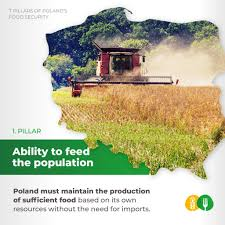
  • Agricultural Science and Food Technology Education in Poland

    Introduction

    Poland offers a varied setting for students interested in agricultural education. Its higher education landscape includes institutions with different academic profiles, allowing learners to compare theoretical study with practical preparation. The field brings together soil science, crop production, and food chemistry, but success also depends on curiosity, steady effort, and the ability to ask informed questions. A useful starting point is to understand how a course is organized, what its learning outcomes mean, and how students can build experience beyond lectures. This article explores the academic journey, the learning environment, and possible next steps for students considering this area in Poland.

    Choosing a Suitable Programme

    Choosing a programme requires more than reading a university ranking or selecting an attractive city. Prospective students should examine course descriptions, language of instruction, admission criteria, and the balance between required and elective modules. In agricultural education, attention to soil science, crop production, and food chemistry can reveal whether a degree matches personal interests. Students should also check the institution’s official website for current requirements, because programme details and application dates can change. Comparing several options, reviewing the curriculum semester by semester, and contacting an admissions office can prevent misunderstandings before an application is submitted.

    Academic Foundations

    The early stages of agricultural education usually emphasize foundations that support more advanced work. Students encounter ideas connected with soil science, crop production, and food chemistry and learn to apply them systematically rather than memorizing isolated facts. Tutorials, readings, and regular assignments can reinforce lecture material. Effective study habits include keeping clear notes, reviewing difficult concepts promptly, and discussing problems with classmates. A strong foundation matters because later modules often assume that students can connect several earlier topics. It also makes it easier to recognize where an individual’s strengths and interests lie.

    Learning Through Practice

    Practical learning gives academic concepts a clearer purpose. Depending on the programme, students may experience farm visits and food quality testing and receive feedback from instructors or project supervisors. These activities encourage them to plan their work, record results carefully, and explain the reasons behind decisions. Mistakes can become useful learning opportunities when they are reviewed openly and corrected methodically. Students should look for courses that explain how practical work is assessed and what equipment or resources are available. A portfolio of completed assignments can later demonstrate progress more effectively than a list of course titles alone.

    Campus Resources and Student Support

    An effective learning environment extends beyond the classroom. In Poland, students can explore agricultural universities and food science laboratories, as well as libraries, consultation hours, and student societies where available. Academic advisers may help with module choices, while international offices can clarify administrative procedures for students arriving from abroad. Support services vary by institution, so applicants should verify what a particular university provides. Joining a study group, attending a faculty event, or speaking with senior students can make an unfamiliar academic system easier to navigate. Taking advantage of resources early often helps students build confidence and independence.

    Developing Transferable Skills

    Technical knowledge is only one part of academic preparation. Students working in agricultural education also benefit from food safety and responsible land management. Group assignments offer opportunities to divide responsibilities, communicate progress, and resolve disagreements respectfully. Written reports and presentations help learners explain complicated ideas to people who may not share their background. Managing deadlines across several modules teaches realistic planning. These abilities matter in further study and employment because complex projects rarely depend on one person or one type of expertise. Students can improve them deliberately by requesting feedback and reflecting on completed work.

    Research and Independent Projects

    Research creates opportunities to investigate questions that do not have a single ready-made answer. In agricultural education, projects related to precision farming and sustainable food research can introduce students to literature reviews, research methods, and careful interpretation of findings. A supervisor can help narrow a broad interest into a manageable question. Students should distinguish reliable evidence from unsupported claims and document sources consistently. Not every degree requires extensive research, yet even a small independent project can strengthen analytical habits. Presenting results at a student seminar or preparing a final thesis may also clarify whether postgraduate study is an appealing direction.

    Preparing for Future Opportunities

    Career planning is most useful when it begins before graduation. Possible directions associated with this subject include agritech, food production, and quality assurance, although actual opportunities depend on qualifications, experience, language ability, and labour-market conditions. Internships, university career events, and carefully chosen projects can help students test their interests. A clear CV should describe responsibilities and measurable contributions without exaggeration. Students considering regulated professions must check the applicable licensing and recognition rules separately. Building relationships with instructors and classmates can provide valuable guidance, but each student should make decisions based on verified requirements and personal goals.

    Conclusion

    Studying agricultural education in Poland can combine structured academic learning with practical experience and broader personal development. The most useful approach is to compare programmes carefully, strengthen fundamentals, seek constructive feedback, and remain open to new areas of interest. Students who use available resources and document their progress can make better-informed choices about research, employment, or further education. Rather than relying on general promises about a degree, applicants should check the details of each institution and build a study plan that fits their circumstances. Consistent effort and thoughtful exploration remain central to a rewarding educational experience.

  • Digital Learning and Modern Classrooms in Poland

    Introduction

    Poland offers a varied setting for students interested in digital education. Its higher education landscape includes institutions with different academic profiles, allowing learners to compare theoretical study with practical preparation. The field brings together digital literacy, online research, and interactive learning, but success also depends on curiosity, steady effort, and the ability to ask informed questions. A useful starting point is to understand how a course is organized, what its learning outcomes mean, and how students can build experience beyond lectures. This article explores the academic journey, the learning environment, and possible next steps for students considering this area in Poland.

    Choosing a Suitable Programme

    Choosing a programme requires more than reading a university ranking or selecting an attractive city. Prospective students should examine course descriptions, language of instruction, admission criteria, and the balance between required and elective modules. In digital education, attention to digital literacy, online research, and interactive learning can reveal whether a degree matches personal interests. Students should also check the institution’s official website for current requirements, because programme details and application dates can change. Comparing several options, reviewing the curriculum semester by semester, and contacting an admissions office can prevent misunderstandings before an application is submitted.

    Academic Foundations

    The early stages of digital education usually emphasize foundations that support more advanced work. Students encounter ideas connected with digital literacy, online research, and interactive learning and learn to apply them systematically rather than memorizing isolated facts. Tutorials, readings, and regular assignments can reinforce lecture material. Effective study habits include keeping clear notes, reviewing difficult concepts promptly, and discussing problems with classmates. A strong foundation matters because later modules often assume that students can connect several earlier topics. It also makes it easier to recognize where an individual’s strengths and interests lie.

    Learning Through Practice

    Practical learning gives academic concepts a clearer purpose. Depending on the programme, students may experience virtual laboratories and blended lessons and receive feedback from instructors or project supervisors. These activities encourage them to plan their work, record results carefully, and explain the reasons behind decisions. Mistakes can become useful learning opportunities when they are reviewed openly and corrected methodically. Students should look for courses that explain how practical work is assessed and what equipment or resources are available. A portfolio of completed assignments can later demonstrate progress more effectively than a list of course titles alone.

    Campus Resources and Student Support

    An effective learning environment extends beyond the classroom. In Poland, students can explore university learning platforms and digital libraries, as well as libraries, consultation hours, and student societies where available. Academic advisers may help with module choices, while international offices can clarify administrative procedures for students arriving from abroad. Support services vary by institution, so applicants should verify what a particular university provides. Joining a study group, attending a faculty event, or speaking with senior students can make an unfamiliar academic system easier to navigate. Taking advantage of resources early often helps students build confidence and independence.

    Developing Transferable Skills

    Technical knowledge is only one part of academic preparation. Students working in digital education also benefit from academic integrity and accessible technology. Group assignments offer opportunities to divide responsibilities, communicate progress, and resolve disagreements respectfully. Written reports and presentations help learners explain complicated ideas to people who may not share their background. Managing deadlines across several modules teaches realistic planning. These abilities matter in further study and employment because complex projects rarely depend on one person or one type of expertise. Students can improve them deliberately by requesting feedback and reflecting on completed work.

    Research and Independent Projects

    Research creates opportunities to investigate questions that do not have a single ready-made answer. In digital education, projects related to learning analytics and education research can introduce students to literature reviews, research methods, and careful interpretation of findings. A supervisor can help narrow a broad interest into a manageable question. Students should distinguish reliable evidence from unsupported claims and document sources consistently. Not every degree requires extensive research, yet even a small independent project can strengthen analytical habits. Presenting results at a student seminar or preparing a final thesis may also clarify whether postgraduate study is an appealing direction.

    Preparing for Future Opportunities

    Career planning is most useful when it begins before graduation. Possible directions associated with this subject include technology-ready graduates and lifelong learning, although actual opportunities depend on qualifications, experience, language ability, and labour-market conditions. Internships, university career events, and carefully chosen projects can help students test their interests. A clear CV should describe responsibilities and measurable contributions without exaggeration. Students considering regulated professions must check the applicable licensing and recognition rules separately. Building relationships with instructors and classmates can provide valuable guidance, but each student should make decisions based on verified requirements and personal goals.

    Conclusion

    Studying digital education in Poland can combine structured academic learning with practical experience and broader personal development. The most useful approach is to compare programmes carefully, strengthen fundamentals, seek constructive feedback, and remain open to new areas of interest. Students who use available resources and document their progress can make better-informed choices about research, employment, or further education. Rather than relying on general promises about a degree, applicants should check the details of each institution and build a study plan that fits their circumstances. Consistent effort and thoughtful exploration remain central to a rewarding educational experience.

  • Renewable Energy and Electrical Engineering Education in Poland

    Introduction

    Poland offers a varied setting for students interested in energy engineering. Its higher education landscape includes institutions with different academic profiles, allowing learners to compare theoretical study with practical preparation. The field brings together circuits, power systems, and renewable technologies, but success also depends on curiosity, steady effort, and the ability to ask informed questions. A useful starting point is to understand how a course is organized, what its learning outcomes mean, and how students can build experience beyond lectures. This article explores the academic journey, the learning environment, and possible next steps for students considering this area in Poland.

    Choosing a Suitable Programme

    Choosing a programme requires more than reading a university ranking or selecting an attractive city. Prospective students should examine course descriptions, language of instruction, admission criteria, and the balance between required and elective modules. In energy engineering, attention to circuits, power systems, and renewable technologies can reveal whether a degree matches personal interests. Students should also check the institution’s official website for current requirements, because programme details and application dates can change. Comparing several options, reviewing the curriculum semester by semester, and contacting an admissions office can prevent misunderstandings before an application is submitted.

    Academic Foundations

    The early stages of energy engineering usually emphasize foundations that support more advanced work. Students encounter ideas connected with circuits, power systems, and renewable technologies and learn to apply them systematically rather than memorizing isolated facts. Tutorials, readings, and regular assignments can reinforce lecture material. Effective study habits include keeping clear notes, reviewing difficult concepts promptly, and discussing problems with classmates. A strong foundation matters because later modules often assume that students can connect several earlier topics. It also makes it easier to recognize where an individual’s strengths and interests lie.

    Learning Through Practice

    Practical learning gives academic concepts a clearer purpose. Depending on the programme, students may experience solar experiments and electrical design projects and receive feedback from instructors or project supervisors. These activities encourage them to plan their work, record results carefully, and explain the reasons behind decisions. Mistakes can become useful learning opportunities when they are reviewed openly and corrected methodically. Students should look for courses that explain how practical work is assessed and what equipment or resources are available. A portfolio of completed assignments can later demonstrate progress more effectively than a list of course titles alone.

    Campus Resources and Student Support

    An effective learning environment extends beyond the classroom. In Poland, students can explore electrical engineering departments and energy laboratories, as well as libraries, consultation hours, and student societies where available. Academic advisers may help with module choices, while international offices can clarify administrative procedures for students arriving from abroad. Support services vary by institution, so applicants should verify what a particular university provides. Joining a study group, attending a faculty event, or speaking with senior students can make an unfamiliar academic system easier to navigate. Taking advantage of resources early often helps students build confidence and independence.

    Developing Transferable Skills

    Technical knowledge is only one part of academic preparation. Students working in energy engineering also benefit from electrical safety and environmental responsibility. Group assignments offer opportunities to divide responsibilities, communicate progress, and resolve disagreements respectfully. Written reports and presentations help learners explain complicated ideas to people who may not share their background. Managing deadlines across several modules teaches realistic planning. These abilities matter in further study and employment because complex projects rarely depend on one person or one type of expertise. Students can improve them deliberately by requesting feedback and reflecting on completed work.

    Research and Independent Projects

    Research creates opportunities to investigate questions that do not have a single ready-made answer. In energy engineering, projects related to smart grids and energy storage research can introduce students to literature reviews, research methods, and careful interpretation of findings. A supervisor can help narrow a broad interest into a manageable question. Students should distinguish reliable evidence from unsupported claims and document sources consistently. Not every degree requires extensive research, yet even a small independent project can strengthen analytical habits. Presenting results at a student seminar or preparing a final thesis may also clarify whether postgraduate study is an appealing direction.

    Preparing for Future Opportunities

    Career planning is most useful when it begins before graduation. Possible directions associated with this subject include power engineering and clean-energy careers, although actual opportunities depend on qualifications, experience, language ability, and labour-market conditions. Internships, university career events, and carefully chosen projects can help students test their interests. A clear CV should describe responsibilities and measurable contributions without exaggeration. Students considering regulated professions must check the applicable licensing and recognition rules separately. Building relationships with instructors and classmates can provide valuable guidance, but each student should make decisions based on verified requirements and personal goals.

    Conclusion

    Studying energy engineering in Poland can combine structured academic learning with practical experience and broader personal development. The most useful approach is to compare programmes carefully, strengthen fundamentals, seek constructive feedback, and remain open to new areas of interest. Students who use available resources and document their progress can make better-informed choices about research, employment, or further education. Rather than relying on general promises about a degree, applicants should check the details of each institution and build a study plan that fits their circumstances. Consistent effort and thoughtful exploration remain central to a rewarding educational experience.

  • Mathematics and Data Science Education in Poland

    Introduction

    Poland offers a varied setting for students interested in quantitative education. Its higher education landscape includes institutions with different academic profiles, allowing learners to compare theoretical study with practical preparation. The field brings together calculus, statistics, and data analysis, but success also depends on curiosity, steady effort, and the ability to ask informed questions. A useful starting point is to understand how a course is organized, what its learning outcomes mean, and how students can build experience beyond lectures. This article explores the academic journey, the learning environment, and possible next steps for students considering this area in Poland.

    Choosing a Suitable Programme

    Choosing a programme requires more than reading a university ranking or selecting an attractive city. Prospective students should examine course descriptions, language of instruction, admission criteria, and the balance between required and elective modules. In quantitative education, attention to calculus, statistics, and data analysis can reveal whether a degree matches personal interests. Students should also check the institution’s official website for current requirements, because programme details and application dates can change. Comparing several options, reviewing the curriculum semester by semester, and contacting an admissions office can prevent misunderstandings before an application is submitted.

    Academic Foundations

    The early stages of quantitative education usually emphasize foundations that support more advanced work. Students encounter ideas connected with calculus, statistics, and data analysis and learn to apply them systematically rather than memorizing isolated facts. Tutorials, readings, and regular assignments can reinforce lecture material. Effective study habits include keeping clear notes, reviewing difficult concepts promptly, and discussing problems with classmates. A strong foundation matters because later modules often assume that students can connect several earlier topics. It also makes it easier to recognize where an individual’s strengths and interests lie.

    Learning Through Practice

    Practical learning gives academic concepts a clearer purpose. Depending on the programme, students may experience model building and real-world datasets and receive feedback from instructors or project supervisors. These activities encourage them to plan their work, record results carefully, and explain the reasons behind decisions. Mistakes can become useful learning opportunities when they are reviewed openly and corrected methodically. Students should look for courses that explain how practical work is assessed and what equipment or resources are available. A portfolio of completed assignments can later demonstrate progress more effectively than a list of course titles alone.

    Campus Resources and Student Support

    An effective learning environment extends beyond the classroom. In Poland, students can explore mathematics departments and computing centers, as well as libraries, consultation hours, and student societies where available. Academic advisers may help with module choices, while international offices can clarify administrative procedures for students arriving from abroad. Support services vary by institution, so applicants should verify what a particular university provides. Joining a study group, attending a faculty event, or speaking with senior students can make an unfamiliar academic system easier to navigate. Taking advantage of resources early often helps students build confidence and independence.

    Developing Transferable Skills

    Technical knowledge is only one part of academic preparation. Students working in quantitative education also benefit from logical reasoning and responsible data use. Group assignments offer opportunities to divide responsibilities, communicate progress, and resolve disagreements respectfully. Written reports and presentations help learners explain complicated ideas to people who may not share their background. Managing deadlines across several modules teaches realistic planning. These abilities matter in further study and employment because complex projects rarely depend on one person or one type of expertise. Students can improve them deliberately by requesting feedback and reflecting on completed work.

    Research and Independent Projects

    Research creates opportunities to investigate questions that do not have a single ready-made answer. In quantitative education, projects related to optimization and predictive modeling can introduce students to literature reviews, research methods, and careful interpretation of findings. A supervisor can help narrow a broad interest into a manageable question. Students should distinguish reliable evidence from unsupported claims and document sources consistently. Not every degree requires extensive research, yet even a small independent project can strengthen analytical habits. Presenting results at a student seminar or preparing a final thesis may also clarify whether postgraduate study is an appealing direction.

    Preparing for Future Opportunities

    Career planning is most useful when it begins before graduation. Possible directions associated with this subject include analytics, research, and financial technology, although actual opportunities depend on qualifications, experience, language ability, and labour-market conditions. Internships, university career events, and carefully chosen projects can help students test their interests. A clear CV should describe responsibilities and measurable contributions without exaggeration. Students considering regulated professions must check the applicable licensing and recognition rules separately. Building relationships with instructors and classmates can provide valuable guidance, but each student should make decisions based on verified requirements and personal goals.

    Conclusion

    Studying quantitative education in Poland can combine structured academic learning with practical experience and broader personal development. The most useful approach is to compare programmes carefully, strengthen fundamentals, seek constructive feedback, and remain open to new areas of interest. Students who use available resources and document their progress can make better-informed choices about research, employment, or further education. Rather than relying on general promises about a degree, applicants should check the details of each institution and build a study plan that fits their circumstances. Consistent effort and thoughtful exploration remain central to a rewarding educational experience.

  • Scholarship Opportunities for Students in Poland

    Introduction

    Poland offers a varied setting for students interested in study funding. Its higher education landscape includes institutions with different academic profiles, allowing learners to compare theoretical study with practical preparation. The field brings together academic planning, application writing, and financial literacy, but success also depends on curiosity, steady effort, and the ability to ask informed questions. A useful starting point is to understand how a course is organized, what its learning outcomes mean, and how students can build experience beyond lectures. This article explores the academic journey, the learning environment, and possible next steps for students considering this area in Poland.

    Choosing a Suitable Programme

    Choosing a programme requires more than reading a university ranking or selecting an attractive city. Prospective students should examine course descriptions, language of instruction, admission criteria, and the balance between required and elective modules. In study funding, attention to academic planning, application writing, and financial literacy can reveal whether a degree matches personal interests. Students should also check the institution’s official website for current requirements, because programme details and application dates can change. Comparing several options, reviewing the curriculum semester by semester, and contacting an admissions office can prevent misunderstandings before an application is submitted.

    Academic Foundations

    The early stages of study funding usually emphasize foundations that support more advanced work. Students encounter ideas connected with academic planning, application writing, and financial literacy and learn to apply them systematically rather than memorizing isolated facts. Tutorials, readings, and regular assignments can reinforce lecture material. Effective study habits include keeping clear notes, reviewing difficult concepts promptly, and discussing problems with classmates. A strong foundation matters because later modules often assume that students can connect several earlier topics. It also makes it easier to recognize where an individual’s strengths and interests lie.

    Learning Through Practice

    Practical learning gives academic concepts a clearer purpose. Depending on the programme, students may experience document preparation and application calendars and receive feedback from instructors or project supervisors. These activities encourage them to plan their work, record results carefully, and explain the reasons behind decisions. Mistakes can become useful learning opportunities when they are reviewed openly and corrected methodically. Students should look for courses that explain how practical work is assessed and what equipment or resources are available. A portfolio of completed assignments can later demonstrate progress more effectively than a list of course titles alone.

    Campus Resources and Student Support

    An effective learning environment extends beyond the classroom. In Poland, students can explore university scholarship offices and official funding portals, as well as libraries, consultation hours, and student societies where available. Academic advisers may help with module choices, while international offices can clarify administrative procedures for students arriving from abroad. Support services vary by institution, so applicants should verify what a particular university provides. Joining a study group, attending a faculty event, or speaking with senior students can make an unfamiliar academic system easier to navigate. Taking advantage of resources early often helps students build confidence and independence.

    Developing Transferable Skills

    Technical knowledge is only one part of academic preparation. Students working in study funding also benefit from eligibility checks and realistic budgeting. Group assignments offer opportunities to divide responsibilities, communicate progress, and resolve disagreements respectfully. Written reports and presentations help learners explain complicated ideas to people who may not share their background. Managing deadlines across several modules teaches realistic planning. These abilities matter in further study and employment because complex projects rarely depend on one person or one type of expertise. Students can improve them deliberately by requesting feedback and reflecting on completed work.

    Research and Independent Projects

    Research creates opportunities to investigate questions that do not have a single ready-made answer. In study funding, projects related to research proposals and merit-based applications can introduce students to literature reviews, research methods, and careful interpretation of findings. A supervisor can help narrow a broad interest into a manageable question. Students should distinguish reliable evidence from unsupported claims and document sources consistently. Not every degree requires extensive research, yet even a small independent project can strengthen analytical habits. Presenting results at a student seminar or preparing a final thesis may also clarify whether postgraduate study is an appealing direction.

    Preparing for Future Opportunities

    Career planning is most useful when it begins before graduation. Possible directions associated with this subject include reduced financial pressure and long-term study goals, although actual opportunities depend on qualifications, experience, language ability, and labour-market conditions. Internships, university career events, and carefully chosen projects can help students test their interests. A clear CV should describe responsibilities and measurable contributions without exaggeration. Students considering regulated professions must check the applicable licensing and recognition rules separately. Building relationships with instructors and classmates can provide valuable guidance, but each student should make decisions based on verified requirements and personal goals.

    Conclusion

    Studying study funding in Poland can combine structured academic learning with practical experience and broader personal development. The most useful approach is to compare programmes carefully, strengthen fundamentals, seek constructive feedback, and remain open to new areas of interest. Students who use available resources and document their progress can make better-informed choices about research, employment, or further education. Rather than relying on general promises about a degree, applicants should check the details of each institution and build a study plan that fits their circumstances. Consistent effort and thoughtful exploration remain central to a rewarding educational experience.

  • International Students and University Life in Poland

    Introduction

    Poland offers a varied setting for students interested in international study. Its higher education landscape includes institutions with different academic profiles, allowing learners to compare theoretical study with practical preparation. The field brings together academic writing, subject knowledge, and intercultural communication, but success also depends on curiosity, steady effort, and the ability to ask informed questions. A useful starting point is to understand how a course is organized, what its learning outcomes mean, and how students can build experience beyond lectures. This article explores the academic journey, the learning environment, and possible next steps for students considering this area in Poland.

    Choosing a Suitable Programme

    Choosing a programme requires more than reading a university ranking or selecting an attractive city. Prospective students should examine course descriptions, language of instruction, admission criteria, and the balance between required and elective modules. In international study, attention to academic writing, subject knowledge, and intercultural communication can reveal whether a degree matches personal interests. Students should also check the institution’s official website for current requirements, because programme details and application dates can change. Comparing several options, reviewing the curriculum semester by semester, and contacting an admissions office can prevent misunderstandings before an application is submitted.

    Academic Foundations

    The early stages of international study usually emphasize foundations that support more advanced work. Students encounter ideas connected with academic writing, subject knowledge, and intercultural communication and learn to apply them systematically rather than memorizing isolated facts. Tutorials, readings, and regular assignments can reinforce lecture material. Effective study habits include keeping clear notes, reviewing difficult concepts promptly, and discussing problems with classmates. A strong foundation matters because later modules often assume that students can connect several earlier topics. It also makes it easier to recognize where an individual’s strengths and interests lie.

    Learning Through Practice

    Practical learning gives academic concepts a clearer purpose. Depending on the programme, students may experience orientation sessions and study groups and receive feedback from instructors or project supervisors. These activities encourage them to plan their work, record results carefully, and explain the reasons behind decisions. Mistakes can become useful learning opportunities when they are reviewed openly and corrected methodically. Students should look for courses that explain how practical work is assessed and what equipment or resources are available. A portfolio of completed assignments can later demonstrate progress more effectively than a list of course titles alone.

    Campus Resources and Student Support

    An effective learning environment extends beyond the classroom. In Poland, students can explore international offices and student organizations, as well as libraries, consultation hours, and student societies where available. Academic advisers may help with module choices, while international offices can clarify administrative procedures for students arriving from abroad. Support services vary by institution, so applicants should verify what a particular university provides. Joining a study group, attending a faculty event, or speaking with senior students can make an unfamiliar academic system easier to navigate. Taking advantage of resources early often helps students build confidence and independence.

    Developing Transferable Skills

    Technical knowledge is only one part of academic preparation. Students working in international study also benefit from time management and independent living. Group assignments offer opportunities to divide responsibilities, communicate progress, and resolve disagreements respectfully. Written reports and presentations help learners explain complicated ideas to people who may not share their background. Managing deadlines across several modules teaches realistic planning. These abilities matter in further study and employment because complex projects rarely depend on one person or one type of expertise. Students can improve them deliberately by requesting feedback and reflecting on completed work.

    Research and Independent Projects

    Research creates opportunities to investigate questions that do not have a single ready-made answer. In international study, projects related to student-led projects and academic exploration can introduce students to literature reviews, research methods, and careful interpretation of findings. A supervisor can help narrow a broad interest into a manageable question. Students should distinguish reliable evidence from unsupported claims and document sources consistently. Not every degree requires extensive research, yet even a small independent project can strengthen analytical habits. Presenting results at a student seminar or preparing a final thesis may also clarify whether postgraduate study is an appealing direction.

    Preparing for Future Opportunities

    Career planning is most useful when it begins before graduation. Possible directions associated with this subject include international networks and professional development, although actual opportunities depend on qualifications, experience, language ability, and labour-market conditions. Internships, university career events, and carefully chosen projects can help students test their interests. A clear CV should describe responsibilities and measurable contributions without exaggeration. Students considering regulated professions must check the applicable licensing and recognition rules separately. Building relationships with instructors and classmates can provide valuable guidance, but each student should make decisions based on verified requirements and personal goals.

    Conclusion

    Studying international study in Poland can combine structured academic learning with practical experience and broader personal development. The most useful approach is to compare programmes carefully, strengthen fundamentals, seek constructive feedback, and remain open to new areas of interest. Students who use available resources and document their progress can make better-informed choices about research, employment, or further education. Rather than relying on general promises about a degree, applicants should check the details of each institution and build a study plan that fits their circumstances. Consistent effort and thoughtful exploration remain central to a rewarding educational experience.

  • Civil Engineering and Architecture Studies in Poland

    Introduction

    Poland offers a varied setting for students interested in built-environment education. Its higher education landscape includes institutions with different academic profiles, allowing learners to compare theoretical study with practical preparation. The field brings together structural analysis, building materials, and design, but success also depends on curiosity, steady effort, and the ability to ask informed questions. A useful starting point is to understand how a course is organized, what its learning outcomes mean, and how students can build experience beyond lectures. This article explores the academic journey, the learning environment, and possible next steps for students considering this area in Poland.

    Choosing a Suitable Programme

    Choosing a programme requires more than reading a university ranking or selecting an attractive city. Prospective students should examine course descriptions, language of instruction, admission criteria, and the balance between required and elective modules. In built-environment education, attention to structural analysis, building materials, and design can reveal whether a degree matches personal interests. Students should also check the institution’s official website for current requirements, because programme details and application dates can change. Comparing several options, reviewing the curriculum semester by semester, and contacting an admissions office can prevent misunderstandings before an application is submitted.

    Academic Foundations

    The early stages of built-environment education usually emphasize foundations that support more advanced work. Students encounter ideas connected with structural analysis, building materials, and design and learn to apply them systematically rather than memorizing isolated facts. Tutorials, readings, and regular assignments can reinforce lecture material. Effective study habits include keeping clear notes, reviewing difficult concepts promptly, and discussing problems with classmates. A strong foundation matters because later modules often assume that students can connect several earlier topics. It also makes it easier to recognize where an individual’s strengths and interests lie.

    Learning Through Practice

    Practical learning gives academic concepts a clearer purpose. Depending on the programme, students may experience site visits, models, and digital drafting and receive feedback from instructors or project supervisors. These activities encourage them to plan their work, record results carefully, and explain the reasons behind decisions. Mistakes can become useful learning opportunities when they are reviewed openly and corrected methodically. Students should look for courses that explain how practical work is assessed and what equipment or resources are available. A portfolio of completed assignments can later demonstrate progress more effectively than a list of course titles alone.

    Campus Resources and Student Support

    An effective learning environment extends beyond the classroom. In Poland, students can explore technical universities and architecture studios, as well as libraries, consultation hours, and student societies where available. Academic advisers may help with module choices, while international offices can clarify administrative procedures for students arriving from abroad. Support services vary by institution, so applicants should verify what a particular university provides. Joining a study group, attending a faculty event, or speaking with senior students can make an unfamiliar academic system easier to navigate. Taking advantage of resources early often helps students build confidence and independence.

    Developing Transferable Skills

    Technical knowledge is only one part of academic preparation. Students working in built-environment education also benefit from public safety, accessibility, and teamwork. Group assignments offer opportunities to divide responsibilities, communicate progress, and resolve disagreements respectfully. Written reports and presentations help learners explain complicated ideas to people who may not share their background. Managing deadlines across several modules teaches realistic planning. These abilities matter in further study and employment because complex projects rarely depend on one person or one type of expertise. Students can improve them deliberately by requesting feedback and reflecting on completed work.

    Research and Independent Projects

    Research creates opportunities to investigate questions that do not have a single ready-made answer. In built-environment education, projects related to sustainable construction and urban research can introduce students to literature reviews, research methods, and careful interpretation of findings. A supervisor can help narrow a broad interest into a manageable question. Students should distinguish reliable evidence from unsupported claims and document sources consistently. Not every degree requires extensive research, yet even a small independent project can strengthen analytical habits. Presenting results at a student seminar or preparing a final thesis may also clarify whether postgraduate study is an appealing direction.

    Preparing for Future Opportunities

    Career planning is most useful when it begins before graduation. Possible directions associated with this subject include construction, planning, and design careers, although actual opportunities depend on qualifications, experience, language ability, and labour-market conditions. Internships, university career events, and carefully chosen projects can help students test their interests. A clear CV should describe responsibilities and measurable contributions without exaggeration. Students considering regulated professions must check the applicable licensing and recognition rules separately. Building relationships with instructors and classmates can provide valuable guidance, but each student should make decisions based on verified requirements and personal goals.

    Conclusion

    Studying built-environment education in Poland can combine structured academic learning with practical experience and broader personal development. The most useful approach is to compare programmes carefully, strengthen fundamentals, seek constructive feedback, and remain open to new areas of interest. Students who use available resources and document their progress can make better-informed choices about research, employment, or further education. Rather than relying on general promises about a degree, applicants should check the details of each institution and build a study plan that fits their circumstances. Consistent effort and thoughtful exploration remain central to a rewarding educational experience.

  • Business and Management Education in Poland

    Introduction

    Poland offers a varied setting for students interested in business education. Its higher education landscape includes institutions with different academic profiles, allowing learners to compare theoretical study with practical preparation. The field brings together economics, accounting, and organizational behavior, but success also depends on curiosity, steady effort, and the ability to ask informed questions. A useful starting point is to understand how a course is organized, what its learning outcomes mean, and how students can build experience beyond lectures. This article explores the academic journey, the learning environment, and possible next steps for students considering this area in Poland.

    Choosing a Suitable Programme

    Choosing a programme requires more than reading a university ranking or selecting an attractive city. Prospective students should examine course descriptions, language of instruction, admission criteria, and the balance between required and elective modules. In business education, attention to economics, accounting, and organizational behavior can reveal whether a degree matches personal interests. Students should also check the institution’s official website for current requirements, because programme details and application dates can change. Comparing several options, reviewing the curriculum semester by semester, and contacting an admissions office can prevent misunderstandings before an application is submitted.

    Academic Foundations

    The early stages of business education usually emphasize foundations that support more advanced work. Students encounter ideas connected with economics, accounting, and organizational behavior and learn to apply them systematically rather than memorizing isolated facts. Tutorials, readings, and regular assignments can reinforce lecture material. Effective study habits include keeping clear notes, reviewing difficult concepts promptly, and discussing problems with classmates. A strong foundation matters because later modules often assume that students can connect several earlier topics. It also makes it easier to recognize where an individual’s strengths and interests lie.

    Learning Through Practice

    Practical learning gives academic concepts a clearer purpose. Depending on the programme, students may experience case studies and market research and receive feedback from instructors or project supervisors. These activities encourage them to plan their work, record results carefully, and explain the reasons behind decisions. Mistakes can become useful learning opportunities when they are reviewed openly and corrected methodically. Students should look for courses that explain how practical work is assessed and what equipment or resources are available. A portfolio of completed assignments can later demonstrate progress more effectively than a list of course titles alone.

    Campus Resources and Student Support

    An effective learning environment extends beyond the classroom. In Poland, students can explore business schools and entrepreneurship centers, as well as libraries, consultation hours, and student societies where available. Academic advisers may help with module choices, while international offices can clarify administrative procedures for students arriving from abroad. Support services vary by institution, so applicants should verify what a particular university provides. Joining a study group, attending a faculty event, or speaking with senior students can make an unfamiliar academic system easier to navigate. Taking advantage of resources early often helps students build confidence and independence.

    Developing Transferable Skills

    Technical knowledge is only one part of academic preparation. Students working in business education also benefit from leadership, negotiation, and ethical decision-making. Group assignments offer opportunities to divide responsibilities, communicate progress, and resolve disagreements respectfully. Written reports and presentations help learners explain complicated ideas to people who may not share their background. Managing deadlines across several modules teaches realistic planning. These abilities matter in further study and employment because complex projects rarely depend on one person or one type of expertise. Students can improve them deliberately by requesting feedback and reflecting on completed work.

    Research and Independent Projects

    Research creates opportunities to investigate questions that do not have a single ready-made answer. In business education, projects related to innovation studies and applied management research can introduce students to literature reviews, research methods, and careful interpretation of findings. A supervisor can help narrow a broad interest into a manageable question. Students should distinguish reliable evidence from unsupported claims and document sources consistently. Not every degree requires extensive research, yet even a small independent project can strengthen analytical habits. Presenting results at a student seminar or preparing a final thesis may also clarify whether postgraduate study is an appealing direction.

    Preparing for Future Opportunities

    Career planning is most useful when it begins before graduation. Possible directions associated with this subject include finance, consulting, and entrepreneurship, although actual opportunities depend on qualifications, experience, language ability, and labour-market conditions. Internships, university career events, and carefully chosen projects can help students test their interests. A clear CV should describe responsibilities and measurable contributions without exaggeration. Students considering regulated professions must check the applicable licensing and recognition rules separately. Building relationships with instructors and classmates can provide valuable guidance, but each student should make decisions based on verified requirements and personal goals.

    Conclusion

    Studying business education in Poland can combine structured academic learning with practical experience and broader personal development. The most useful approach is to compare programmes carefully, strengthen fundamentals, seek constructive feedback, and remain open to new areas of interest. Students who use available resources and document their progress can make better-informed choices about research, employment, or further education. Rather than relying on general promises about a degree, applicants should check the details of each institution and build a study plan that fits their circumstances. Consistent effort and thoughtful exploration remain central to a rewarding educational experience.

  • Chemical Engineering Education in Poland

    Introduction

    Poland offers a varied setting for students interested in chemical engineering. Its higher education landscape includes institutions with different academic profiles, allowing learners to compare theoretical study with practical preparation. The field brings together thermodynamics, reaction engineering, and process design, but success also depends on curiosity, steady effort, and the ability to ask informed questions. A useful starting point is to understand how a course is organized, what its learning outcomes mean, and how students can build experience beyond lectures. This article explores the academic journey, the learning environment, and possible next steps for students considering this area in Poland.

    Choosing a Suitable Programme

    Choosing a programme requires more than reading a university ranking or selecting an attractive city. Prospective students should examine course descriptions, language of instruction, admission criteria, and the balance between required and elective modules. In chemical engineering, attention to thermodynamics, reaction engineering, and process design can reveal whether a degree matches personal interests. Students should also check the institution’s official website for current requirements, because programme details and application dates can change. Comparing several options, reviewing the curriculum semester by semester, and contacting an admissions office can prevent misunderstandings before an application is submitted.

    Academic Foundations

    The early stages of chemical engineering usually emphasize foundations that support more advanced work. Students encounter ideas connected with thermodynamics, reaction engineering, and process design and learn to apply them systematically rather than memorizing isolated facts. Tutorials, readings, and regular assignments can reinforce lecture material. Effective study habits include keeping clear notes, reviewing difficult concepts promptly, and discussing problems with classmates. A strong foundation matters because later modules often assume that students can connect several earlier topics. It also makes it easier to recognize where an individual’s strengths and interests lie.

    Learning Through Practice

    Practical learning gives academic concepts a clearer purpose. Depending on the programme, students may experience pilot plants and process simulation and receive feedback from instructors or project supervisors. These activities encourage them to plan their work, record results carefully, and explain the reasons behind decisions. Mistakes can become useful learning opportunities when they are reviewed openly and corrected methodically. Students should look for courses that explain how practical work is assessed and what equipment or resources are available. A portfolio of completed assignments can later demonstrate progress more effectively than a list of course titles alone.

    Campus Resources and Student Support

    An effective learning environment extends beyond the classroom. In Poland, students can explore engineering faculties and chemistry laboratories, as well as libraries, consultation hours, and student societies where available. Academic advisers may help with module choices, while international offices can clarify administrative procedures for students arriving from abroad. Support services vary by institution, so applicants should verify what a particular university provides. Joining a study group, attending a faculty event, or speaking with senior students can make an unfamiliar academic system easier to navigate. Taking advantage of resources early often helps students build confidence and independence.

    Developing Transferable Skills

    Technical knowledge is only one part of academic preparation. Students working in chemical engineering also benefit from laboratory safety and responsible chemical handling. Group assignments offer opportunities to divide responsibilities, communicate progress, and resolve disagreements respectfully. Written reports and presentations help learners explain complicated ideas to people who may not share their background. Managing deadlines across several modules teaches realistic planning. These abilities matter in further study and employment because complex projects rarely depend on one person or one type of expertise. Students can improve them deliberately by requesting feedback and reflecting on completed work.

    Research and Independent Projects

    Research creates opportunities to investigate questions that do not have a single ready-made answer. In chemical engineering, projects related to cleaner processes and materials research can introduce students to literature reviews, research methods, and careful interpretation of findings. A supervisor can help narrow a broad interest into a manageable question. Students should distinguish reliable evidence from unsupported claims and document sources consistently. Not every degree requires extensive research, yet even a small independent project can strengthen analytical habits. Presenting results at a student seminar or preparing a final thesis may also clarify whether postgraduate study is an appealing direction.

    Preparing for Future Opportunities

    Career planning is most useful when it begins before graduation. Possible directions associated with this subject include pharmaceutical, energy, and manufacturing careers, although actual opportunities depend on qualifications, experience, language ability, and labour-market conditions. Internships, university career events, and carefully chosen projects can help students test their interests. A clear CV should describe responsibilities and measurable contributions without exaggeration. Students considering regulated professions must check the applicable licensing and recognition rules separately. Building relationships with instructors and classmates can provide valuable guidance, but each student should make decisions based on verified requirements and personal goals.

    Conclusion

    Studying chemical engineering in Poland can combine structured academic learning with practical experience and broader personal development. The most useful approach is to compare programmes carefully, strengthen fundamentals, seek constructive feedback, and remain open to new areas of interest. Students who use available resources and document their progress can make better-informed choices about research, employment, or further education. Rather than relying on general promises about a degree, applicants should check the details of each institution and build a study plan that fits their circumstances. Consistent effort and thoughtful exploration remain central to a rewarding educational experience