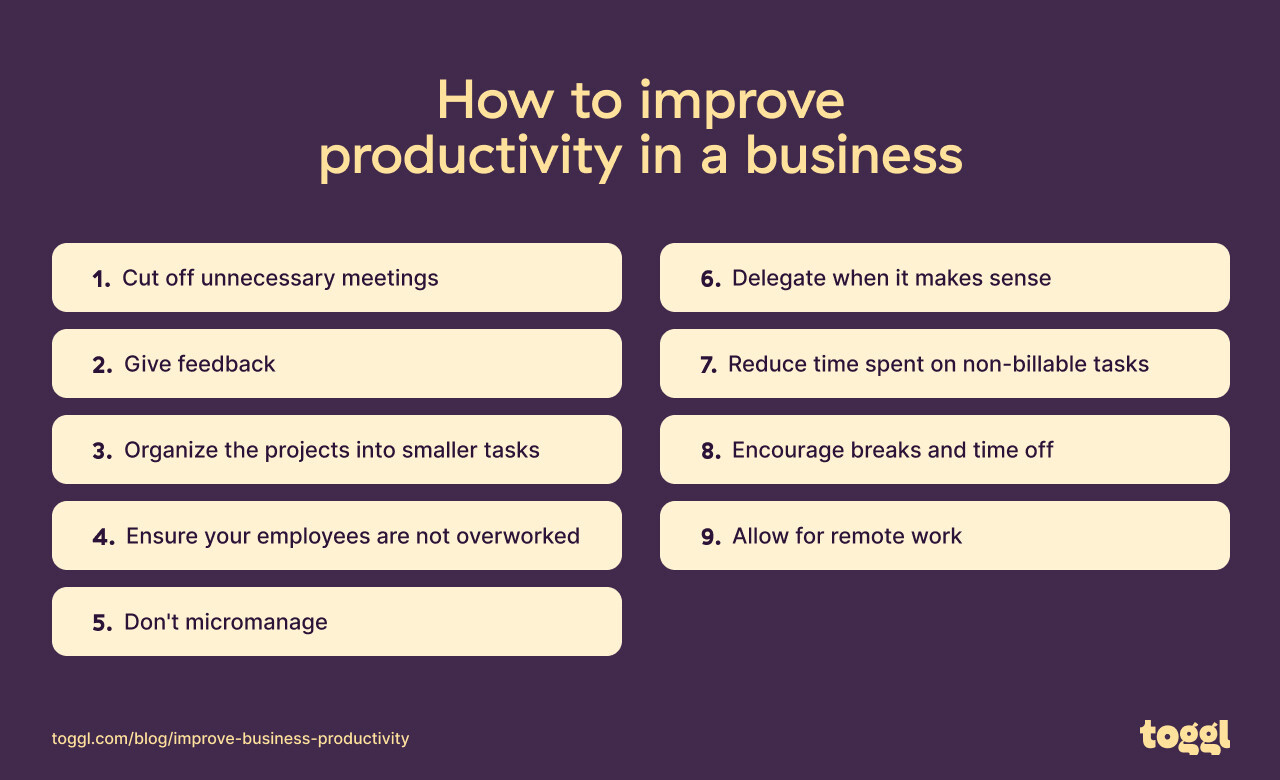
Business productivity is often associated with doing more work in less time, but that definition misses an important point. True productivity is about creating better results without unnecessarily increasing pressure on employees or resources. For small and growing businesses, improving productivity can create valuable opportunities to increase profitability, serve customers more effectively, and compete with larger organizations.
Entrepreneurs looking for practical ideas related to business development, technology, finance, and workplace improvement can find a cool way to improve their approach by exploring reliable business resources and applying useful ideas to their own operations. The goal is not to copy every strategy available, but to identify improvements that make sense for a particular business and its customers.
Start by Finding Productivity Problems
Before making changes, business owners should understand where productivity is being lost. Some problems are obvious, while others develop slowly and become part of the normal routine.
Employees may spend too much time searching for information, waiting for approvals, repeating manual tasks, or dealing with unclear instructions. Customers may experience similar problems when trying to contact the business, place an order, or receive support.
A simple review of everyday activities can reveal these weaknesses. Business owners can list major processes and ask how much time each one requires, who is responsible for it, and whether every step is actually necessary.
Removing one unnecessary step from a frequently repeated process can sometimes save more time than introducing an entirely new system.
Give Employees Clear Responsibilities
Productivity becomes difficult when employees are uncertain about who is responsible for specific tasks. When responsibilities overlap, work can be duplicated. When nobody clearly owns a task, important details can be missed.
Clear job responsibilities help employees understand what is expected from them. This does not mean every role needs to be rigid. Instead, teams should know their primary responsibilities and understand how their work connects with the wider goals of the company.
Managers can also establish clear deadlines and priorities. When employees know which tasks are most important, they can organize their working time more effectively.
Reduce Unnecessary Meetings
Meetings can be useful for solving problems and making decisions, but too many meetings can reduce productivity.
Before scheduling a meeting, businesses should consider whether the issue could be handled through a short message or shared document. If a meeting is necessary, participants should know its purpose beforehand.
A simple agenda can keep the discussion focused. At the end, everyone should understand what decisions were made and who is responsible for the next steps.
This approach saves time while still providing opportunities for collaboration.
Automate Repetitive Tasks
Automation can be especially useful for small businesses because it allows limited teams to handle routine work more efficiently.
Tasks such as appointment reminders, invoice notifications, email responses, data organization, and basic reporting may be suitable for automation.
However, automation should be introduced thoughtfully. Businesses should first understand the existing process before trying to automate it. Automating a poorly designed process may simply make an inefficient system operate faster.
The best candidates are usually repetitive tasks with clear rules and predictable outcomes.
Improve the Customer Experience
Productivity should never mean making customers feel rushed or ignored. In fact, improving internal efficiency can create more time for meaningful customer interactions.
Businesses should examine common customer questions and identify ways to provide information before customers need to ask. Frequently asked questions, clear product descriptions, simple instructions, and accessible support channels can reduce unnecessary communication.
When customers can quickly find what they need, employees also spend less time answering repetitive questions.
Customer feedback is another valuable source of information. Repeated complaints can point toward weaknesses in products, services, or internal processes.
Make Better Use of Business Data
Data can help businesses replace assumptions with evidence. Even basic information can reveal useful patterns.
For example, sales data can show which products generate the most revenue. Website analytics can reveal which pages attract customers. Customer support records can identify common problems, while financial reports can highlight expenses that deserve closer attention.
The goal is not to collect every possible piece of information. Instead, businesses should identify a few key performance indicators that directly relate to their objectives.
Reviewing these metrics regularly can help managers recognize problems early and measure whether improvements are actually working.
Create a Culture of Improvement
A productive business should encourage employees to suggest better ways of working. People who perform the same tasks every day often notice inefficiencies that managers may overlook.
Employees should have a simple way to share suggestions without feeling that every idea needs to become an immediate project. Some suggestions may be tested on a small scale before being adopted more widely.
This creates a culture where improvement becomes part of normal business activity rather than something that only happens when a major problem appears.
Protect Time for Important Work
Not every task has the same value. Business owners and employees should protect time for activities that directly contribute to important goals.
Strategic planning, customer relationships, product development, financial analysis, and creative work often require uninterrupted attention. Constant notifications and unnecessary interruptions can make these activities much harder.
Creating specific periods for focused work can improve concentration and reduce the time needed to complete demanding tasks.
Measure the Results
Any improvement strategy should eventually be evaluated. Businesses need to know whether a change actually produced the expected benefit.
If a new system was introduced to save time, compare the time required before and after implementation. If a marketing process was changed, monitor leads or conversions. If customer support was improved, examine response times and customer feedback.
Measuring results prevents businesses from continuing with processes simply because they seem productive.
Small Improvements Can Create Big Results
Business productivity does not depend on one revolutionary idea. Sustainable improvement often comes from dozens of smaller changes made consistently over time.
Removing unnecessary steps, clarifying responsibilities, using technology wisely, listening to customers, reducing interruptions, and measuring results can gradually transform the way a business operates.
The most effective businesses understand that improvement is an ongoing process. They remain willing to question old habits, test better approaches, and learn from both successes and mistakes. By focusing on practical changes that create genuine value, entrepreneurs can build businesses that are more efficient, adaptable, and prepared for long-term growth.